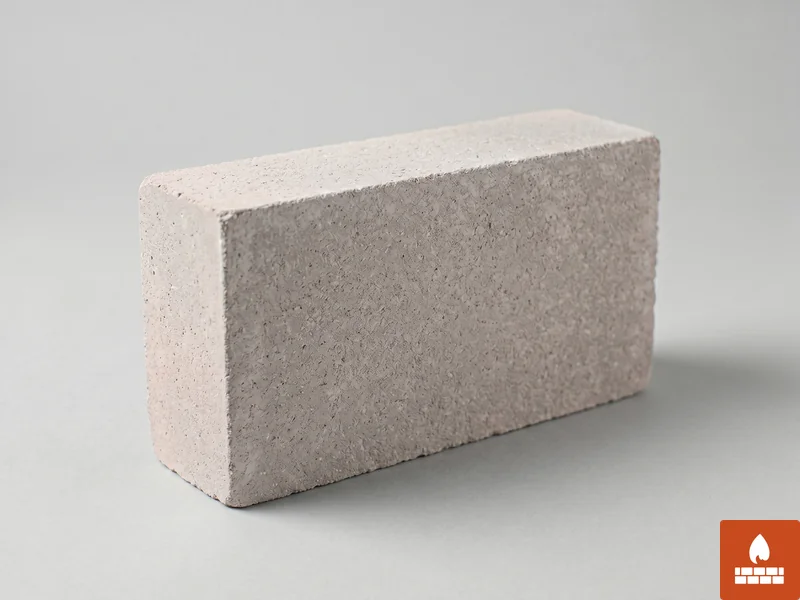
CaO 35 – 58% · MgO 35 – 40% · Max 1700 °C
Dolomite Refractory Bricks (CaO-MgO)
Supplier and exporter from Rajkot, India. Fired or stabilised dolomite basic refractory bricks — the standard hot-face for stainless-steel AOD/VOD vessels and a chrome-free option for cement kiln transition zones.
- CaO35 – 58%
- MgO35 – 40%
- Bulk density≥ 2.75 g/cm³
- CCS≥ 40 MPa
- RUL T₀.₅≥ 1650 °C
- Stabilised gradeAvailable
About this product
What dolomite refractory bricks are — and where they fit
Dolomite refractory bricks are basic refractory bricks produced from sintered dolomite — a calcined dolomitic carbonate raw material containing CaO (35 – 58%) and MgO (35 – 40%). The brick is fired to dense ceramic bodies (apparent porosity ≤ 15%, bulk density ≥ 2.75 g/cm³) with CCS ≥ 40 MPa and RUL T₀.₅ ≥ 1650 °C. Maximum service temperature is approximately 1700 °C, governed in practice by the CaO-MgO eutectic and by the specific slag chemistry.
What is a dolomite brick? A dolomite brick is a basic refractory brick whose key chemistry is the CaO-MgO binary. The high CaO content makes the brick exceptionally compatible with calcium-rich slag — a property that is critical in stainless-steel AOD/VOD vessels, where high-chromium slag chemistries would attack magnesia-chrome refractory and reduce campaign life. Dolomite is the industry-standard hot-face for these vessels, and a long-running chrome-free alternative for cement-kiln transition zones.
One handling consideration: free CaO in standard fired dolomite can slowly hydrate in humid storage conditions, causing brick swelling and surface damage before installation. Stabilised dolomite is available — typically MgO-enriched or with controlled fired structure — and has dramatically improved storage humidity tolerance, longer shelf life and reduced installation losses. For tropical-export shipments and long lead times, stabilised dolomite is the standard recommendation; we share the stabilisation classification on dispatch.
Compared to pure magnesia bricks, dolomite has lower max temperature but is more cost-effective and chemically better-matched to high-Cr stainless slag. Compared to magnesia-chrome bricks, dolomite is chrome-free and avoids the Cr (VI) compliance issue. firebrickssource.com is a refractory bricks manufacturer-cum-merchant exporter from Rajkot, Gujarat, India — see also steel & foundry industry for AOD/VOD application context and the basic refractories index for adjacent grades.
Technical specifications
Full property data — dolomite bricks
| Property | Value | Test method |
|---|---|---|
| CaO content | 35 – 58 % | IS 1528-7 |
| MgO content | 35 – 40 % | IS 1528-7 |
| SiO₂ content | ≤ 2.5 % | IS 1528-7 |
| Fe₂O₃ content | ≤ 2 % | IS 1528-7 |
| Apparent porosity | ≤ 15 % | IS 1528-8 / ASTM C20 |
| Bulk density | ≥ 2.75 g/cm³ | IS 1528-12 |
| Cold crushing strength (CCS) | ≥ 40 MPa | IS 1528-4 / ASTM C133 |
| Refractoriness under load (RUL T₀.₅) | ≥ 1650 °C | IS 1528-2 |
| Permanent linear change | ± 0.5 % | IS 1528-6 |
| Max service temperature | 1700 °C | — |
| Stabilised grade | Available — improved storage humidity tolerance | — |
| Standard size | 230 × 114 × 65 mm | — |
| Custom sizes | AOD/VOD vessel shapes, cement-kiln rotary shapes — to drawing | — |
*Typical certified values — actual batch values issued on the per-shipment test certificate. Values aligned with IS 1528 / ASTM C-series / EN 993 test methods.
Applications
Where to use dolomite refractory bricks
- Steel AOD (argon-oxygen decarburisation) vessel hot-face
- Steel VOD (vacuum-oxygen decarburisation) vessel hot-face
- Stainless-steel converter slag-line
- Cement rotary kiln transition zone (chrome-free)
- Cement kiln preheater outlet (CaO-rich zones)
- Steel ladle back-up linings
- Lime-kiln calcining zone
- Tundish back-up linings
- Non-ferrous high-CaO slag furnace zones
- Magnesia/lime calcining rotary kilns
Datasheet
Download technical datasheet
PDF with all certified properties, fired vs stabilised variants, dimensional tolerances and applicable test methods. Use this for tender attachments.
Download dolomite datasheet (PDF)Quote request
Get dolomite quote in 24 hours
Application, slag chemistry, fired or stabilised grade, brick mix, Incoterm. Quote, datasheet and lead time come back the same business day or the next.
Frequently asked
Dolomite bricks — questions buyers ask
What is a dolomite refractory brick?
Dolomite refractory bricks are basic refractories produced from sintered dolomite (CaO 35 – 58%, MgO 35 – 40%). The brick combines high refractoriness (max 1700 °C) with excellent compatibility with calcium-rich slag chemistries, which makes it the preferred lining for AOD/VOD stainless-steel vessels and certain cement-kiln zones.
Why are stabilised dolomite bricks specified?
Free CaO in standard dolomite bricks can hydrate in storage humidity, causing brick swelling and surface damage before installation. Stabilised dolomite — typically MgO-enriched or with controlled fired structure — has dramatically improved storage humidity tolerance, longer shelf life and reduced installation losses. For tropical-export shipments and long lead times, stabilised dolomite is the standard recommendation.
Where are dolomite refractory bricks used?
Typical applications include steel AOD and VOD stainless-steel converter vessels, cement rotary kiln transition zone (chrome-free alternative to magnesia-chrome), steel ladle back-up linings, and certain non-ferrous reverberatory furnace zones with high-CaO slag chemistry.
What is the difference between dolomite and magnesia bricks?
Pure magnesia bricks (MgO ≥ 90%) are higher-temperature, more slag-resistant in general BOF service, but more expensive and slightly more thermal-shock-sensitive. Dolomite bricks (CaO + MgO) are more cost-effective, have superior compatibility with calcium-rich AOD/VOD slag and cement-kiln chemistries, but lower max temperature (1700 °C vs 1800 °C). The choice depends on slag chemistry and budget.
What is the storage life of dolomite bricks?
Standard fired dolomite has limited storage life in humid conditions — typically 3 – 6 months when packed with moisture-barrier film. Stabilised dolomite extends shelf life to 12 months or longer. We ship in shrink-wrapped, moisture-sealed packaging on heat-treated pallets; for tropical destinations stabilised grade is recommended.
What is the typical MOQ and packaging?
Standard MOQ is 10 – 20 MT. Bricks are individually shrink-wrapped, edge-protected, on heat-treated wooden pallets, with desiccant pouches for tropical exports. One 20-foot container typically carries 22 – 25 MT of dolomite refractory bricks.
Do you provide samples and test certificates?
Yes. Samples can be dispatched on request — normally chargeable plus courier. Every batch is tested for CaO, MgO, SiO₂, free-lime, bulk density, porosity, CCS and RUL; a test certificate and stabilisation classification ship with each consignment.
Related products
Buyers of dolomite bricks also viewed
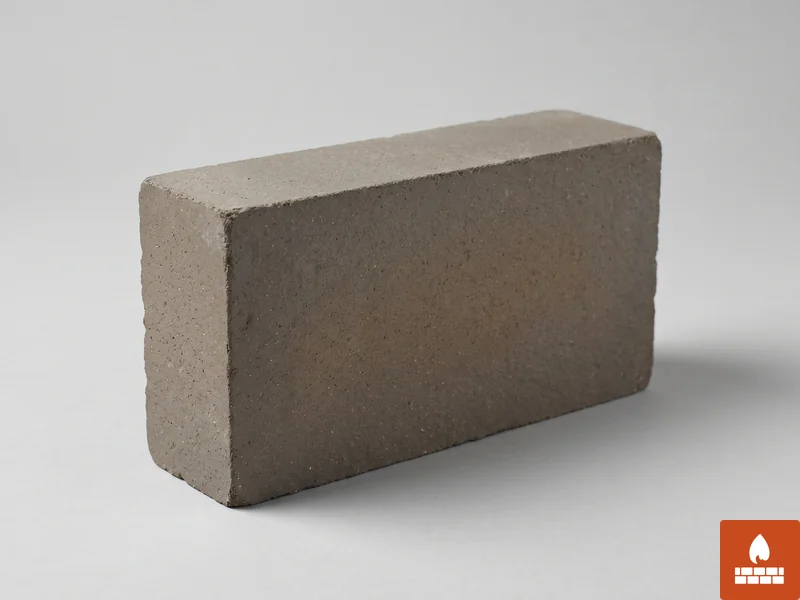
Magnesia Bricks
Fired pure magnesia — higher temperature, BOF / EAF duty.
MgO ≥ 90% · 1800 °C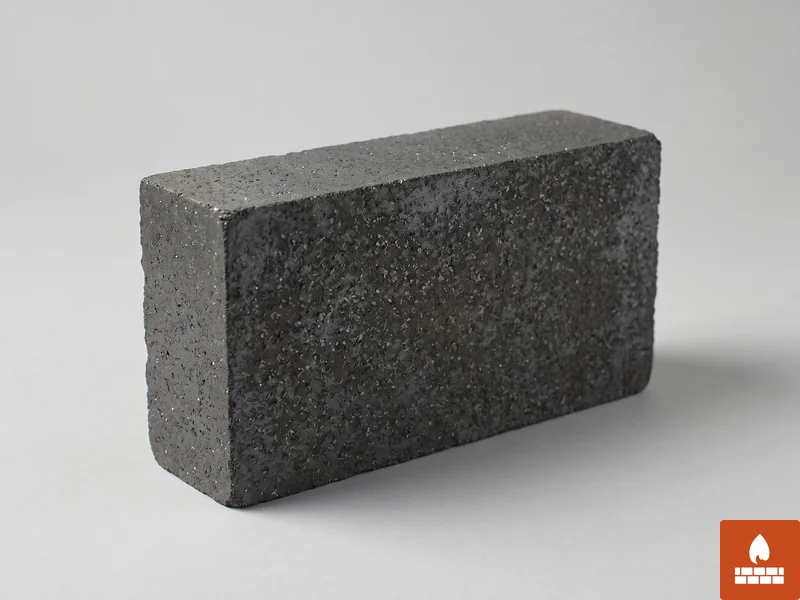
Magnesia-Carbon Bricks
Slag-line BOF, EAF hot-spot — graphite-enhanced basic refractory.
MgO 76 – 82% · C 10 – 18%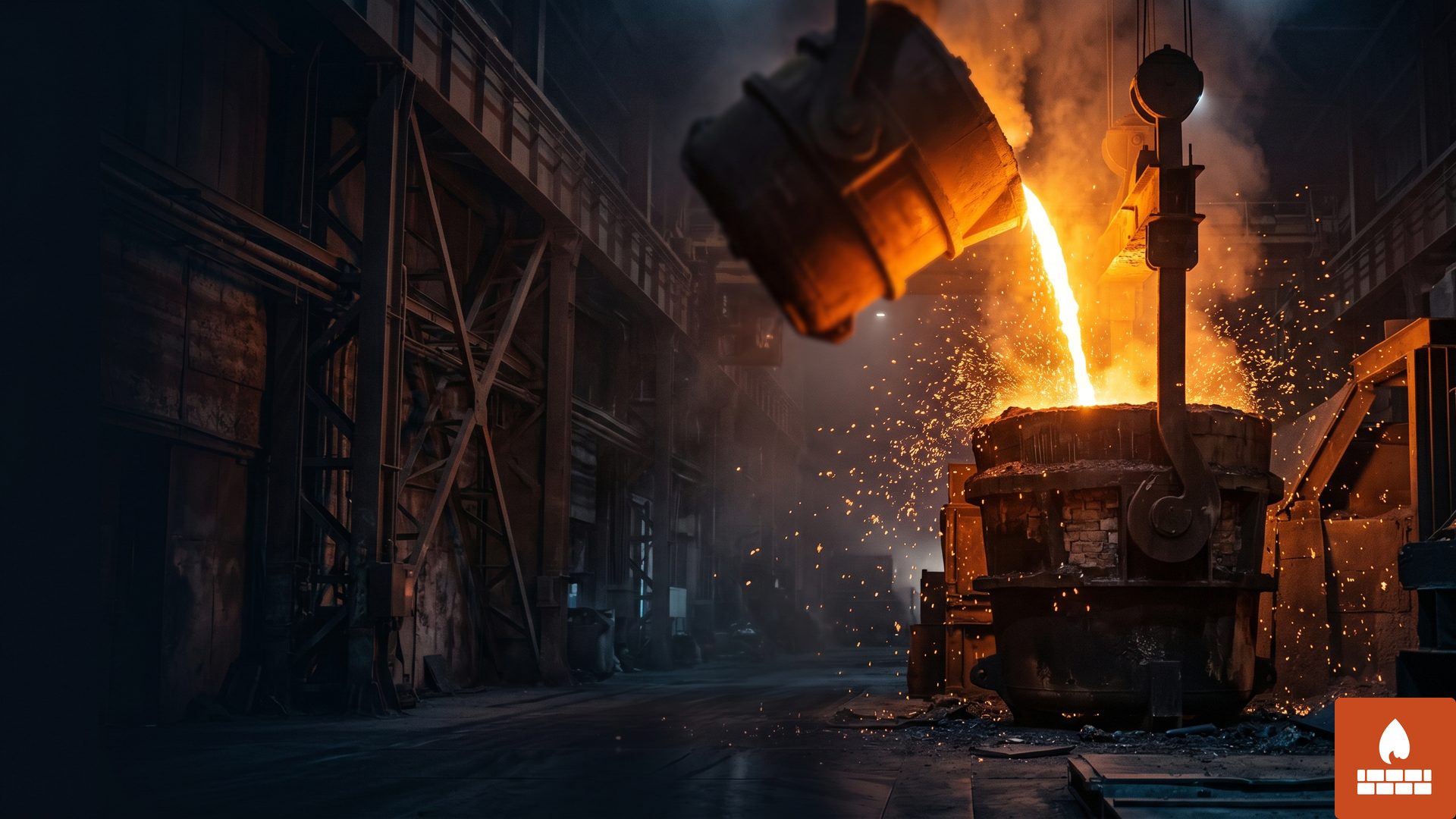
Steel & Foundry
Industry hub — AOD/VOD, ladle and tundish refractory selection.
Primary application