APT · Class I & II · IS 4860
Acid-Proof Refractory Tiles & Pavers
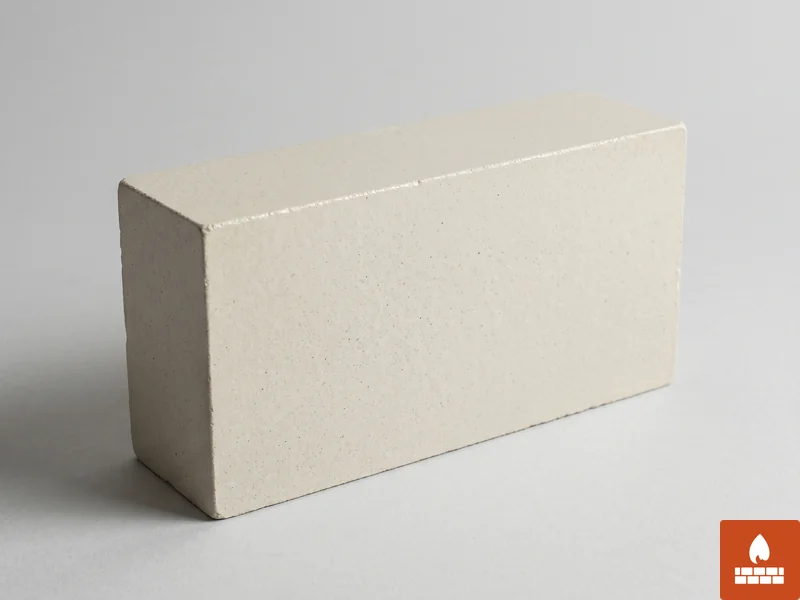
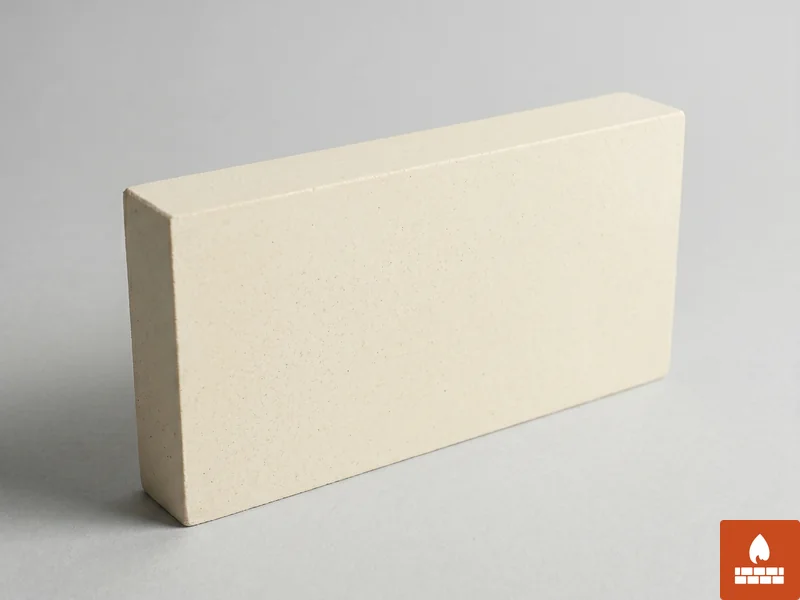
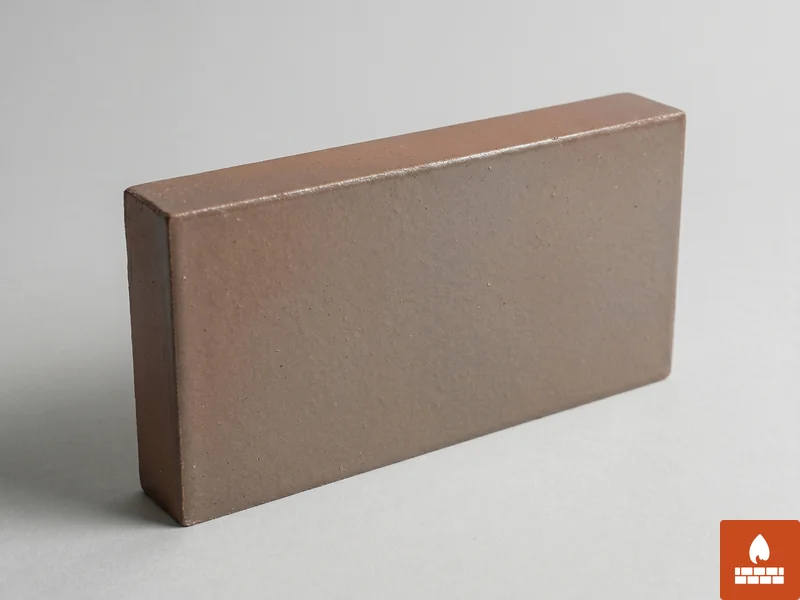
Class I (premium) and Class II (industrial) tiles and pavers for chemical-plant flooring, battery rooms, electroplating bays, fertiliser plants and food & beverage acid lines. Refractory-grade acid resistance with low water absorption.
- SiO₂≥ 92%
- Acid resistance≥ 96%
- App. porosity (I)≤ 2%
- Water abs. (I)≤ 1.5%
- MOR≥ 25 MPa
- Abrasion loss≤ 0.18 cm³/cm²
About this product
What acid-proof tiles and pavers are — and where they fit
Acid-proof tiles and pavers are dense, low-porosity ceramic tiles manufactured to IS 4860 in two classes — Class I (premium) and Class II (industrial). With SiO₂ ≥ 92%, acid resistance ≥ 96% and modulus of rupture ≥ 25 MPa, they are the standard lining for floors and pavers exposed to acidic chemicals at low to moderate temperature. firebrickssource.com — Rajkot, Gujarat, India — supplies acid-proof tiles within the broader refractory product range, exported to chemical, fertiliser and process industries.
Acid-proof tiles are ceramic refractory tiles formulated specifically to resist chemical attack by sulphuric, hydrochloric, nitric, phosphoric and organic acids. The tile body is a vitrified high-silica ceramic with apparent porosity below 2% in Class I (below 6% in Class II) and water absorption under 1.5% — meaning the surface is non-absorbent, so acid cannot soak into the body and the tile remains chemically inert through long service. Class I tiles meet the tightest porosity targets and are specified where leak-through into the substrate must be prevented; Class II tiles cover general industrial flooring where the duty is less severe and budget is the deciding factor.
Standard tile sizes are 230 × 114 × 38 mm, 230 × 114 × 25 mm and 200 × 100 × 20 mm. Pavers run up to 300 × 300 × 40 mm. Tiles are normally laid on a screeded substrate in potassium-silicate mortar; furan-resin or epoxy mortars are specified where higher mechanical loading, thermal cycling or solvent exposure is expected. The combination of low porosity, high MOR (≥ 25 MPa) and abrasion loss below 0.18 cm³/cm² gives long service life under both chemical and mechanical wear.
Buyers typically pair acid-proof tiles with high-silica acid-resistant bricks for vertical lining work and with silicon-carbide bricks in high-abrasion zones. The full category sits at acid-resistant bricks; for high-temperature acidic duty step up to zircon bricks. See also our special shapes category for matching cove, skirting and channel pieces.
Technical specifications
Full property data — acid-proof tiles & pavers
| Property | Class I (premium) | Class II (industrial) | Test method |
|---|---|---|---|
| SiO₂ content | ≥ 92 % | ≥ 92 % | IS 1528-7 |
| Apparent porosity | ≤ 2 % | ≤ 6 % | IS 1528-8 / ASTM C20 |
| Water absorption | ≤ 1.5 % | ≤ 5 % | IS 4860 |
| Acid resistance | ≥ 96 % | ≥ 96 % | IS 4860 / ASTM C279 |
| Modulus of rupture (MOR) | ≥ 25 MPa | ≥ 25 MPa | IS 1528-5 |
| Abrasion loss | ≤ 0.18 cm³/cm² | ≤ 0.20 cm³/cm² | IS 4860 |
| Standard tile sizes | 230 × 114 × 38 mm · 230 × 114 × 25 mm · 200 × 100 × 20 mm | — | |
| Paver sizes | up to 300 × 300 × 40 mm | — | |
| Custom sizes | Cove, skirting, channel & nosing tiles on request | — | |
*Typical certified values — actual batch values issued on the per-shipment test certificate. Values aligned with IS 1528 / ASTM C-series / EN 993 test methods.*
Applications
Where to use acid-proof tiles & pavers
- Chemical-plant flooring & trenches
- Battery-room floors
- Electroplating shops & tank bunds
- Fertiliser-plant aisles
- Pickling & acid-cleaning bays
- Food & beverage acid lines (lactic, citric)
- Dye houses & textile-finishing
- Pharmaceutical & agrochemical floors
- Petroleum-refinery trench covers
- Effluent treatment plant sumps
Datasheet
Download technical datasheet
PDF with full Class I and Class II property tables, dimensional tolerances and applicable IS / ASTM test methods. Includes installation mortar guide.
Download APT datasheet (PDF)Quote request
Get APT quote in 24 hours
Send floor area, tile thickness, class and Incoterm. Quote, datasheet and lead time come back the same business day or the next.
Frequently asked
APT — questions buyers ask
What is the difference between Class I and Class II acid-proof tiles?
Class I (premium) tiles have apparent porosity ≤ 2% and water absorption ≤ 1.5%, used in severe-service applications such as fertiliser plants, sulphuric acid lines and pharmaceutical floors. Class II (industrial) tiles have apparent porosity ≤ 6% and are used for general industrial flooring and moderate acid duty. Acid resistance is ≥ 96% for both classes per IS 4860.
What sizes of acid-proof tiles are available?
Standard tiles: 230 × 114 × 38 mm, 230 × 114 × 25 mm, and 200 × 100 × 20 mm. Pavers are available up to 300 × 300 × 40 mm. Custom sizes are produced on indent.
What bonding mortar is used to lay acid-proof tiles?
Potassium-silicate mortar is the most common choice for acid service. Furan-resin or epoxy mortars are specified where higher mechanical loading, thermal cycling or solvent exposure is expected. The mortar selection depends on the acid chemistry and operating temperature.
What is abrasion loss and why does it matter?
Abrasion loss measures wear under standardised grinding, expressed in cm³/cm². Lower values mean longer service life in floors subject to fork-truck traffic, trolley wheels or process-stream abrasion. Our acid-proof tiles deliver abrasion loss ≤ 0.18 cm³/cm² (IS 4860).
Where are acid-proof tiles used?
Typical applications include chemical-plant flooring, fertiliser-plant aisles, battery rooms, electroplating shops, pickling and acid-cleaning bays, food & beverage acid lines, dye houses and pharmaceutical floors.
What is the typical MOQ for export?
Standard MOQ is approximately 5 – 10 MT for stocked sizes. One 20-foot container typically carries 22 – 25 MT of acid-proof tiles. Mixed-size loads can be combined to meet a project bill of quantities.
Do you provide samples and test certificates?
Yes. Samples can be dispatched on request — normally chargeable plus courier. Every production batch is tested for acid resistance, water absorption, apparent porosity and modulus of rupture; a test certificate ships with each consignment.
Related products