MgO ≥ 90% · RUL ≥ 1700 °C · Max 1800 °C
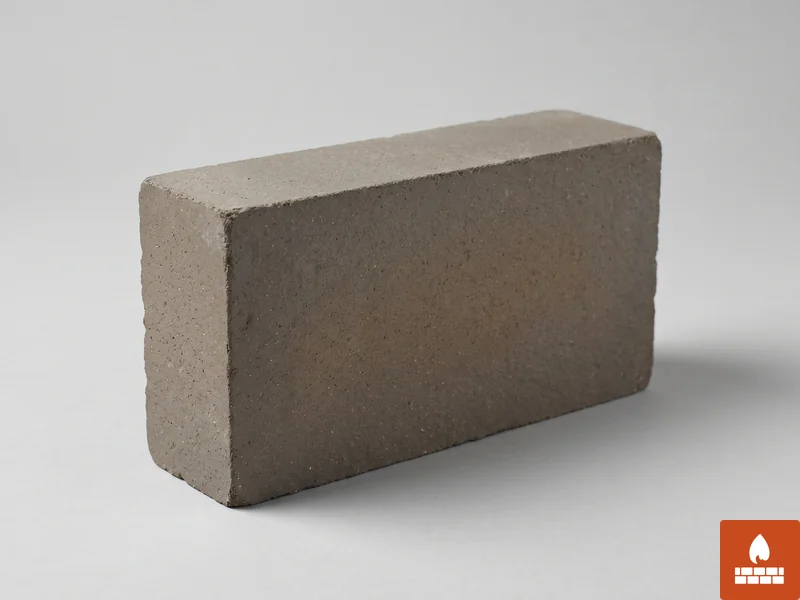
Magnesia (MgO) Refractory Bricks
Supplier and exporter from Rajkot, India. Fired pure-magnesia bricks — the basic refractory workhorse for steel BOF converters, EAF walls and cement burning-zone back-up linings.
- MgO≥ 90% (premium ≥ 95%)
- Max temp1800 °C
- Bulk density≥ 2.85 g/cm³
- CCS≥ 40 MPa
- RUL T₀.₅≥ 1700 °C
- Standard size230 × 114 × 65 mm
About this product
What magnesia refractory bricks are — and where they fit
Magnesia (MgO) refractory bricks are fired basic refractory products with a minimum 90% MgO content (premium grades ≥ 95%), balanced against CaO, SiO₂ and Fe₂O₃ as minor oxides. They are manufactured from selected sintered or fused magnesia aggregates, pressed and fired to dense ceramic bodies at controlled kiln temperatures above 1600 °C. The grade represents the chemical-resistance backbone of the basic refractory family — alkaline-slag-resistant, high-melting-point, and the only refractory category genuinely suited to BOF and EAF steelmaking duty.
What is a magnesia brick? A magnesia refractory brick is a basic refractory brick whose principal phase is periclase (crystalline MgO). The MgO crystals melt at approximately 2800 °C and maintain structural integrity against basic slags (CaO-, MgO-rich) that would aggressively dissolve acidic refractories such as fireclay, silica or even high-alumina bricks. The brick is "basic" in the chemical sense — it reacts compatibly with basic slag chemistry rather than being attacked by it.
Compared to magnesia-carbon bricks, pure magnesia is fired (not resin-bonded), contains no graphite, and is used where graphite oxidation would be a problem (oxidising atmospheres, lower-cycle applications). Compared to high-alumina bricks, magnesia handles basic slag and higher temperatures but is more expensive and more thermal-shock-sensitive. The two are often used together in steel-industry linings: high-alumina back-up and magnesia hot-face, or magnesia hot-face and alumina-spinel back-up. See also steel & foundry applications and cement & lime industry.
firebrickssource.com supplies magnesia refractory bricks in the standard 230 × 114 × 65 mm size, plus arches, wedges, taper bricks and large-format BOF/EAF shapes to drawing. Standard chemistry is BIS / IS-aligned; premium ≥ 95% MgO and low-CaO chemistries are available on indent. The grade is regularly exported to integrated steel mills in the Middle East, Southeast Asia and Africa, and to cement plants worldwide. firebrickssource.com is a refractory bricks manufacturer-cum-merchant exporter from Rajkot, Gujarat, India.
Technical specifications
Full property data — magnesia bricks
| Property | Value | Test method |
|---|---|---|
| MgO content | ≥ 90 % (premium ≥ 95 %) | IS 1528-7 |
| CaO content | ≤ 2.5 % | IS 1528-7 |
| SiO₂ content | ≤ 3.5 % | IS 1528-7 |
| Fe₂O₃ content | ≤ 3 % | IS 1528-7 |
| Apparent porosity | ≤ 18 % | IS 1528-8 / ASTM C20 |
| Bulk density | ≥ 2.85 g/cm³ | IS 1528-12 |
| Cold crushing strength (CCS) | ≥ 40 MPa | IS 1528-4 / ASTM C133 |
| Refractoriness under load (RUL T₀.₅) | ≥ 1700 °C | IS 1528-2 |
| Permanent linear change | ± 0.3 % | IS 1528-6 |
| Max service temperature | 1800 °C | — |
| Standard size | 230 × 114 × 65 mm | — |
| Custom sizes | Arches, wedges, BOF/EAF shapes — to drawing | — |
*Typical certified values — actual batch values issued on the per-shipment test certificate. Values aligned with IS 1528 / ASTM C-series / EN 993 test methods.
Applications
Where to use magnesia refractory bricks
- Steel BOF converter linings
- EAF wall and back-up linings
- Cement rotary kiln burning-zone back-up
- Cement transition zone (alkaline duty)
- Non-ferrous reverberatory furnaces (copper, lead)
- Glass-tank regenerator checker work
- Lime-kiln calcining zone
- Magnesia processing rotary kilns
- AOD/VOD vessel back-up (with dolomite hot-face)
- Steel reheat furnace skid-rail seats
Datasheet
Download technical datasheet
PDF with all certified properties, dimensional tolerances and applicable IS / ASTM test methods. Use this for tender attachments and procurement files.
Download magnesia datasheet (PDF)Quote request
Get magnesia quote in 24 hours
Quantity, target chemistry, slag profile, Incoterm — that's all we need. Quote, datasheet and lead time come back the same business day or the next.
Frequently asked
Magnesia bricks — questions buyers ask
What is the maximum temperature for magnesia refractory bricks?
Magnesia (MgO ≥ 90%) refractory bricks have a refractoriness under load (T₀.₅) of ≥ 1700 °C and a maximum service temperature of approximately 1800 °C, subject to slag chemistry and atmosphere.
What is the difference between magnesia and magnesia-carbon bricks?
Pure magnesia (MgO ≥ 90%) bricks are fired ceramic refractory products with no graphite. Magnesia-carbon (MgO-C) bricks contain 10 – 18% graphite plus antioxidants, are resin-bonded (not fired), and offer significantly better slag-line and thermal-shock performance — making them the standard for BOF slag-lines and EAF hot-spots.
Where are magnesia refractory bricks used?
Typical applications include steel BOF converter linings, EAF walls and back-up, non-ferrous reverberatory furnaces, cement rotary kiln burning-zone back-up, glass-tank regenerator checkerwork, lime-kiln calcining zone and magnesia processing equipment.
What is the standard size of magnesia bricks?
Standard rectangular size is 230 × 114 × 65 mm. Arches, wedges, taper bricks, key bricks and large-format custom shapes (300 – 400 mm length) for BOF and EAF are produced on indent orders.
What is the typical MOQ for magnesia refractory bricks?
Standard MOQ is 10 – 20 MT for stocked sizes; custom BOF/EAF shapes are quoted per project. One 20-foot container typically carries 22 – 25 MT of magnesia bricks.
What Incoterms are offered for export shipments?
We typically quote FOB Mundra or FOB Kandla. CIF, CFR and EXW are available on request. Sea-freight rates are confirmed at the time of booking.
Do you provide samples and test certificates?
Yes. Samples can be dispatched on request — normally chargeable plus courier. Every production batch is tested for chemistry (MgO, CaO, SiO₂, Fe₂O₃), apparent porosity, bulk density, CCS and RUL; a test certificate ships with each consignment.
Related products
Buyers of magnesia bricks also viewed
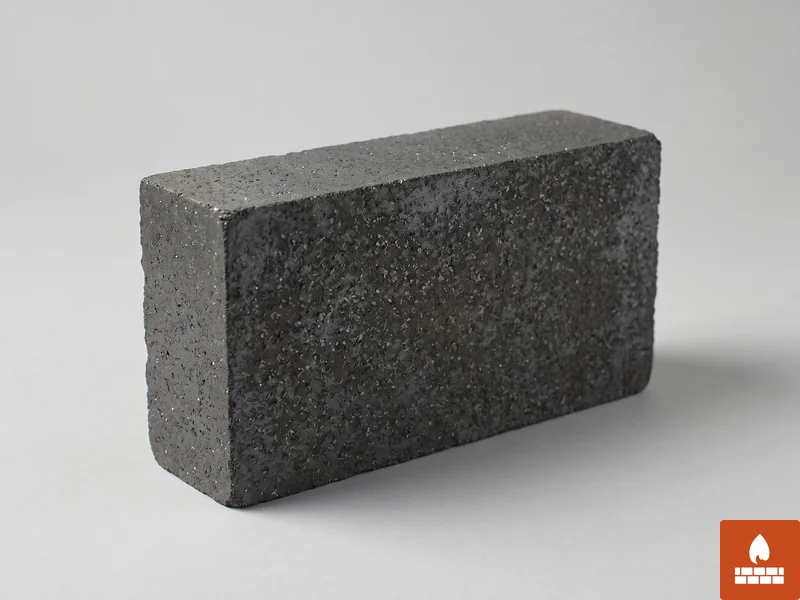
Magnesia-Carbon Bricks
Slag-line BOF, EAF hot-spot — graphite-enhanced.
MgO 76 – 82% · C 10 – 18%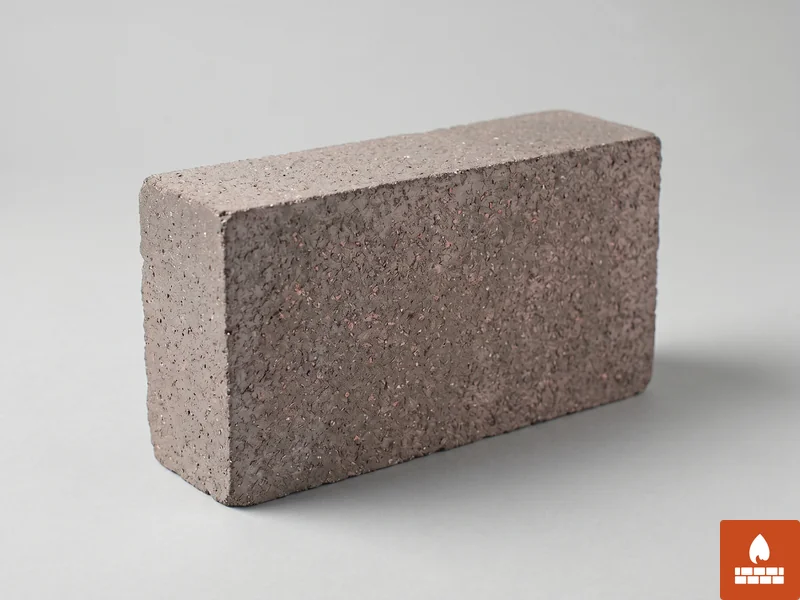
Magnesia-Chrome Bricks
Cement burning zone, copper smelter, glass regenerator.
MgO 60 – 80% · Cr₂O₃ 8 – 20%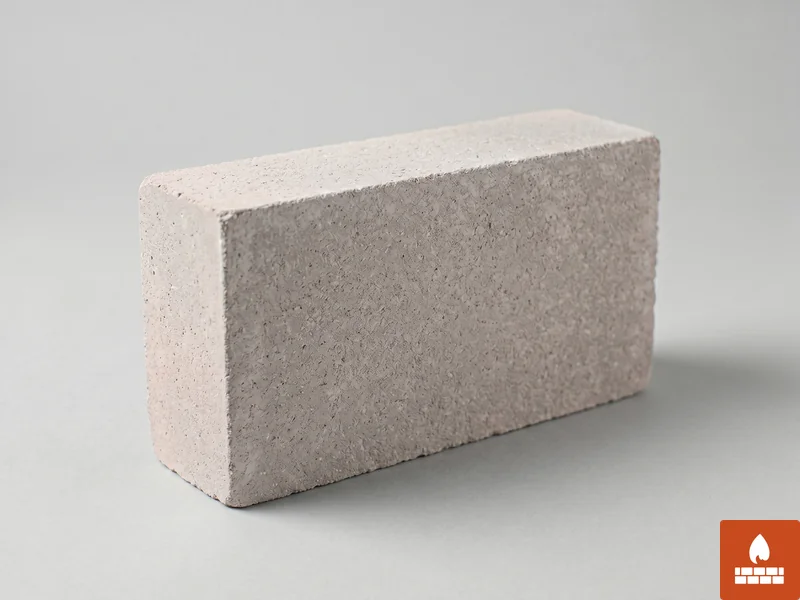
Dolomite Refractory Bricks
AOD/VOD vessels, cement transition zone.
CaO 35 – 58% · MgO 35 – 40%