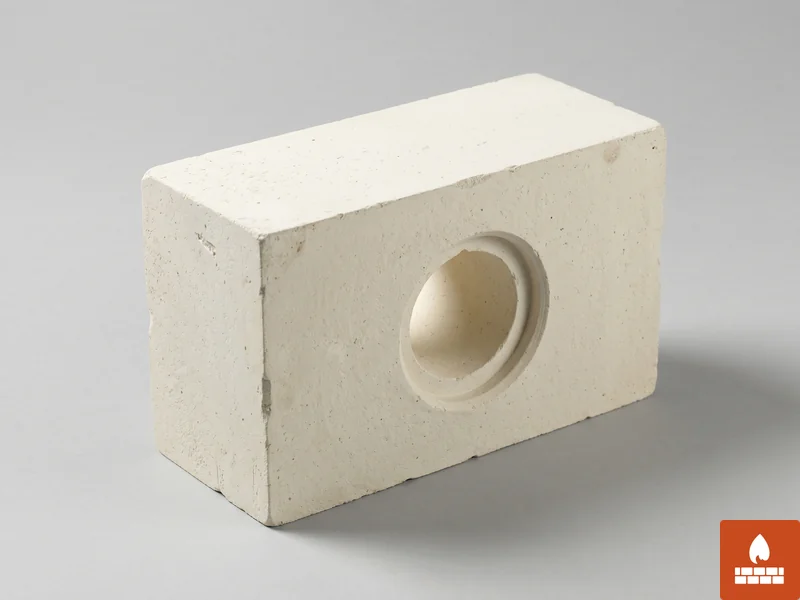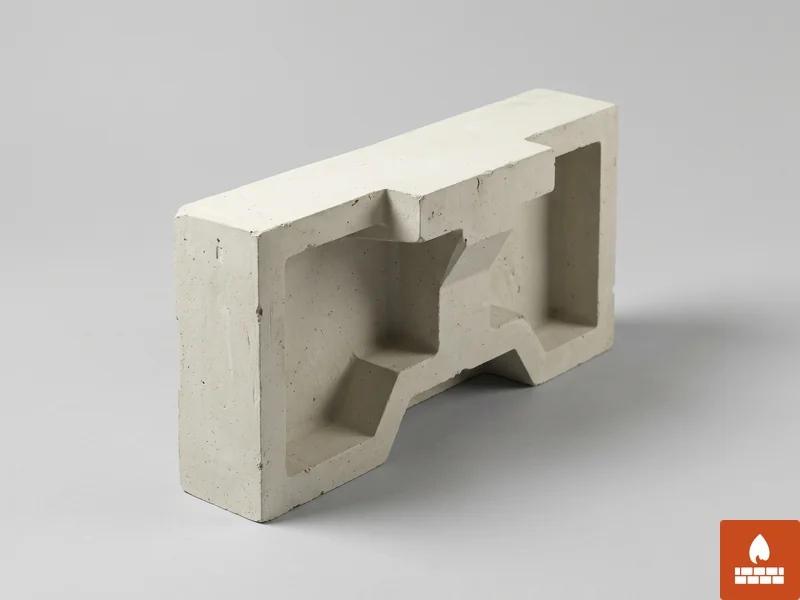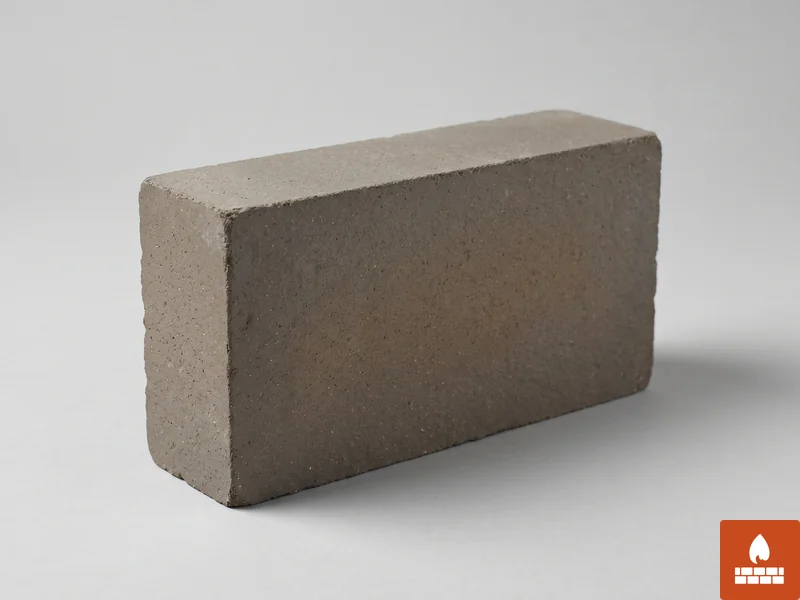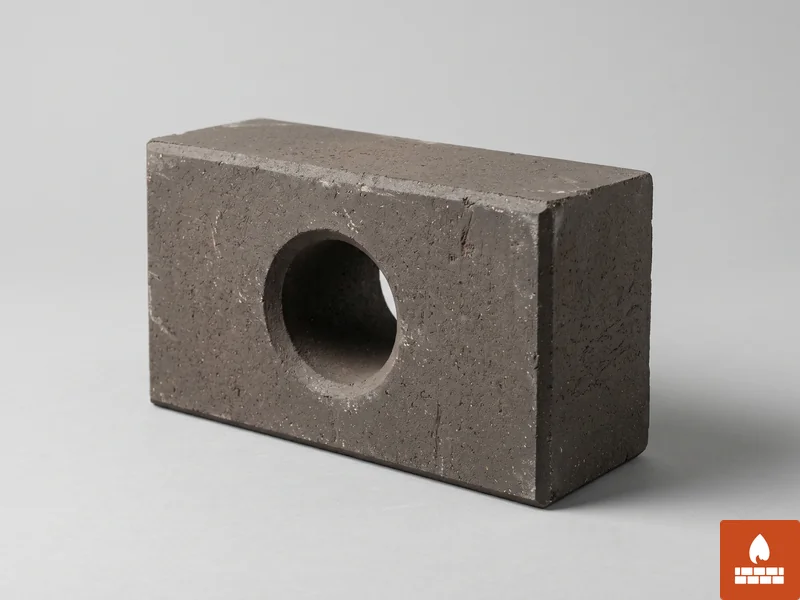
Tap-Hole · HA 80 – 90% / MgO-C · 1800 °C
Tap-Hole Refractory Bricks
Precision-pressed or hand-rammed refractory bricks for the tapping orifices of blast furnaces, EAF eccentric bottom tap-hole, ladle slide-gate nozzles and ferro-alloy converter tapping channels.
- BaseHA 80 – 90% / MgO-C
- Form routePressed / hand-rammed
- GeometriesSleeve, ring, assembly
- Bulk density2.80 – 3.00 g/cm³
- Max temp1800 °C
- PropertyErosion resistance
About this product
What tap-hole refractory bricks are — and where they fit
Tap-hole refractory bricks are precision-engineered refractory shapes that line the tapping orifice through which molten metal or slag is drawn from a furnace, ladle or converter. firebrickssource.com — Rajkot, Gujarat, India — supplies tap-hole bricks within the special shapes refractory category, exported to integrated steel mills, ferro-alloy producers and foundry rebuilders worldwide.
Tap-hole bricks must survive one of the most aggressive duties in the entire refractory portfolio: the steady erosive flow of molten iron, steel, ferro-alloy or non-ferrous matte at up to 1800 °C, with rapid thermal-shock cycling at every tap. Service life is measured by how quickly the bore widens under abrasion and chemical attack — the brick has to combine high bulk density (2.80 – 3.00 g/cm³), very low apparent porosity, high CCS and reasonable thermal-shock resistance. A tap-hole assembly typically combines sleeve bricks (along the bore axis), ring bricks (at the entry / exit faces) and a back-up surround.
Base chemistry is chosen by slag basicity: high-alumina 80 – 90% Al₂O₃ is the standard for blast-furnace tap-hole and EAF tap-hole bricks operating in acidic to neutral slag service. Magnesia-carbon (MgO-C, with ~10 – 14% C) is specified where basic-slag exposure dominates — typically in EAF eccentric bottom tap-hole and ladle slide-gate nozzle positions, where the carbon-bonded structure resists basic-slag wetting and metal penetration. Ferro-alloy converters use either base depending on alloy chemistry.
firebrickssource.com supplies tap-hole bricks both as stock high-alumina sleeve/ring sizes (2 – 4 weeks lead time) and as engineered MgO-C or assembly shapes to drawing (6 – 10 weeks). See related special shapes burner blocks, arch & wedge bricks and custom precast refractory, or browse the full special shapes category. For magnesia-carbon base material see basic refractories; for higher-alumina options see high-alumina bricks.
Technical specifications
Tap-hole — base chemistry and geometry options
| Base / Form | Typical bulk density | Max service °C | Application |
|---|---|---|---|
| HA-80 pressed | 2.80 g/cm³ | 1700 | Blast-furnace tap-hole sleeve |
| HA-90 pressed | 2.95 g/cm³ | 1800 | Premium BF tap-hole ring, ferro-alloy |
| MgO-C pressed | 3.00 g/cm³ | 1800 | EAF tap-hole, ladle slide gate |
| HA hand-rammed | 2.75 g/cm³ | 1700 | Large back-up shapes |
| Assembly (sleeve + ring) | As per matched chemistry | Complete tap-hole package | |
| Critical property | Erosion resistance to molten-metal stream | ||
| Test methods | IS 1528 / ASTM C-series · MgO-C per ASTM C831 carbon analysis | ||
*Typical certified values — actual batch values issued on the per-shipment test certificate. Values aligned with IS 1528 / ASTM C-series / EN 993 test methods.*
Applications
Where to use tap-hole refractory bricks
- Blast-furnace tap-hole (iron tap)
- Blast-furnace slag tap-hole
- EAF eccentric bottom tap-hole
- Ladle slide-gate nozzle
- Tundish slide-gate nozzle
- Ferro-alloy converter tap channel
- Foundry pouring channel sleeves
- Copper anode-furnace tap-hole
- Ferro-chrome / ferro-manganese tapping
- Submerged-arc-furnace tap-hole
Datasheet
Download technical datasheet
PDF with base-chemistry comparison (HA vs MgO-C), geometry options, dimensional tolerances and assembly drawing template.
Download TH datasheet (PDF)Quote request
Engineered tap-hole quote
Send the furnace type, slag chemistry, bore diameter and pour rate. We engineer the matching sleeve + ring assembly within 24 hours.
Frequently asked
Tap-hole — questions buyers ask
What is a tap-hole brick?
A tap-hole brick is the refractory component that lines the orifice through which molten metal or slag is drawn from a furnace, ladle or converter. It must withstand the erosive flow of molten iron, steel, ferro-alloy or matte at temperatures up to 1800 °C, with frequent thermal-shock cycling between tapping events. Tap-hole assemblies typically combine sleeve bricks (along the bore), ring bricks (at the entry / exit faces) and a back-up surround.
What base chemistries are used?
High-alumina 80 – 90% Al₂O₃ is the standard for blast-furnace tap-hole and EAF tap-hole bricks. Magnesia-carbon (MgO-C) is specified where basic-slag exposure dominates — typically in EAF tap-hole and ladle slide-gate nozzle positions. Ferro-alloy converters can use either, selected by alloy chemistry and slag basicity.
Precision-pressed or hand-rammed?
Both forms are produced. Precision-pressed tap-hole bricks deliver tight dimensional tolerance and high density for repeatable installation. Hand-rammed tap-hole bricks are used for larger sleeve and back-up shapes where dimensional flexibility and economy matter. We offer both per project requirement.
Where are tap-hole bricks used?
Typical applications include the blast-furnace tap-hole (iron and slag tapping), EAF tap-hole (eccentric bottom tapping in modern EAFs), ladle slide-gate nozzle bricks, tundish slide-gate, and ferro-alloy converter tapping channel. Each duty has a specific erosion / thermal-shock balance — the brick is engineered accordingly.
What is the critical property for tap-hole bricks?
Erosion resistance to molten-metal stream. Service life is determined by how quickly the bore widens under the abrasive and chemical attack of flowing molten metal. High bulk density (2.80 – 3.00 g/cm³), low apparent porosity and high CCS are all needed; thermal-shock resistance matters because of the heat-up / cool-down cycle at every tap.
What is the typical lead time?
Stock high-alumina sleeve and ring sizes: 2 – 4 weeks. MgO-C or engineered shapes to drawing: 6 – 10 weeks including mould design and firing.
Do you provide samples and test certificates?
Yes. Samples can be dispatched on request — normally chargeable plus courier. Every production batch is tested for chemistry, bulk density, apparent porosity and CCS; a test certificate ships with each consignment.