Burner Block · HA / Zircon / SiC · 1800 °C
Burner Blocks & Nozzle Refractory Bricks
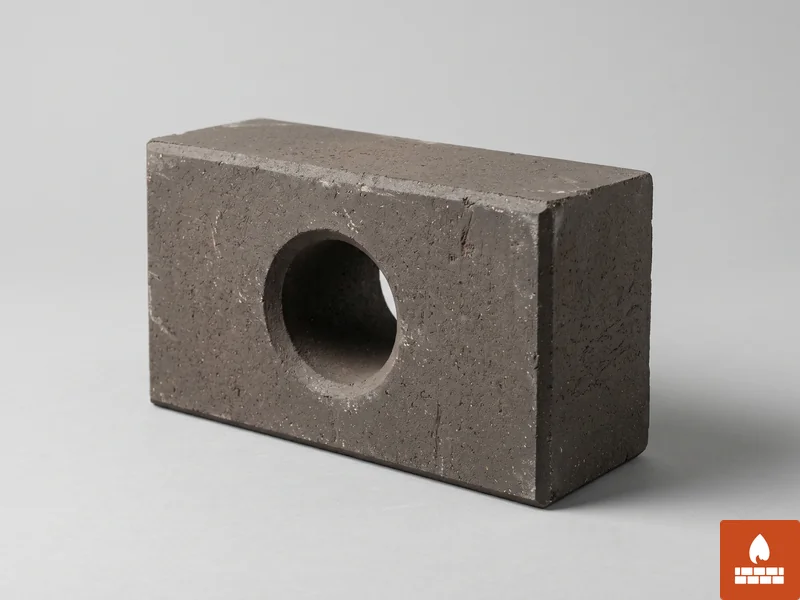
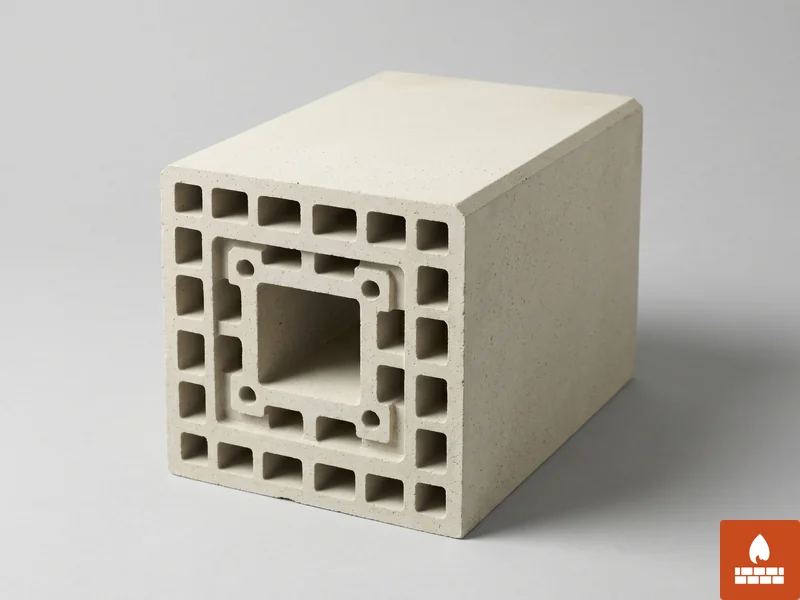
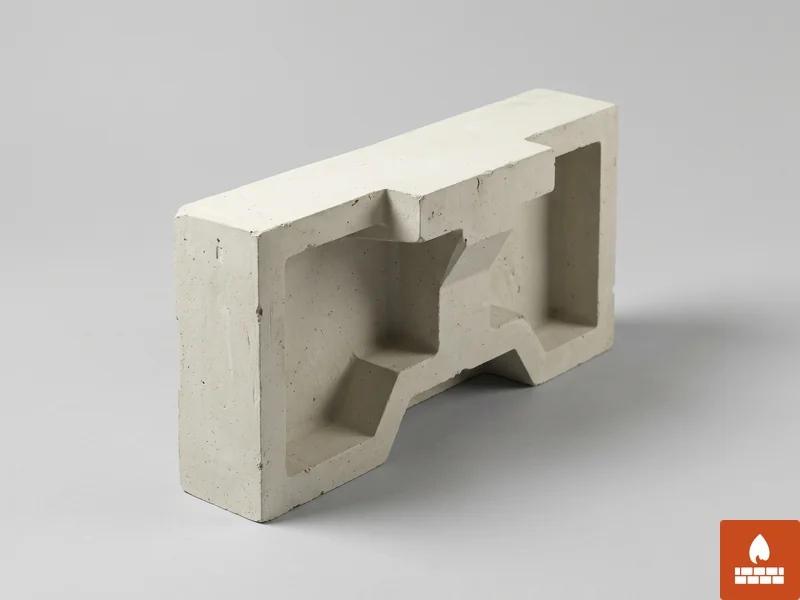
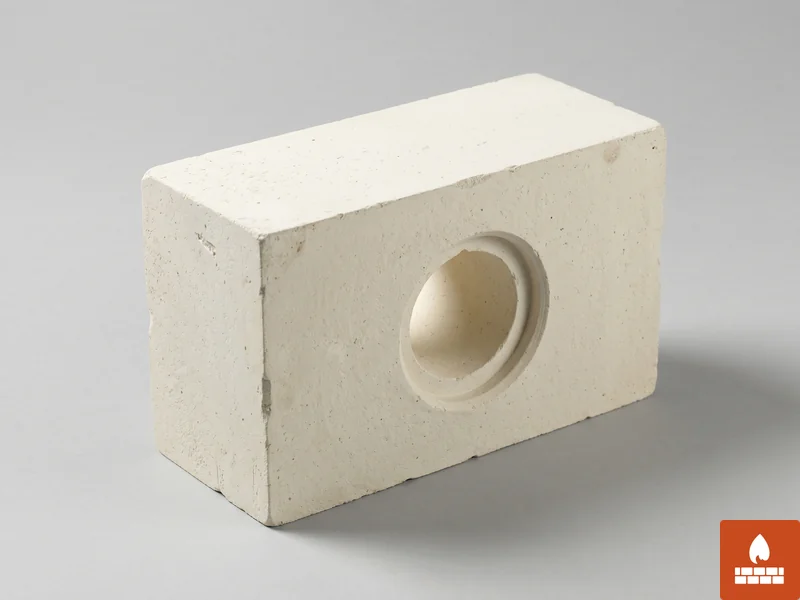
Precast or pressed refractory shapes for furnace burner ports, igniter assemblies and flame tiles. Engineered to burner-OEM drawings with custom port diameters, swirl-vane geometry and flame-shaping profiles.
- BaseHA 60 – 90% / Zircon / SiC
- Bulk density2.50 – 3.20 g/cm³
- Max temp1700 – 1800 °C
- Form routePrecast / pressed
- CustomisationPort, vane, profile
- Lead time6 – 10 weeks
About this product
What burner blocks and nozzle refractory bricks are — and where they fit
Burner blocks and nozzle refractory bricks are precast or pressed special shapes that form the refractory interface between a fuel-fired burner and the furnace hot face. firebrickssource.com — Rajkot, Gujarat, India — supplies engineered burner blocks within the special shapes refractory category, exported to OEM burner-makers, furnace builders and project rebuilders worldwide.
A burner block is the refractory piece that surrounds the burner gun where it enters the furnace. It anchors the burner, protects the surrounding refractory wall from radiant heat and direct flame impingement, and shapes the flame entry profile via its internal geometry — a central port for fuel/air injection, optional swirl vanes for combustion mixing, and a flared exit to control flame divergence into the furnace volume. Burner-block design directly affects flame length, temperature distribution and combustion efficiency, so the geometry is engineered together with the burner OEM.
Base chemistry is selected by service temperature, atmosphere and abrasion. High-alumina (60 – 80% Al₂O₃) covers most cement-kiln, steel-reheating and boiler igniter duties. High-alumina 80 – 90% is used where peak flame temperature exceeds 1700 °C. Zircon-based burner blocks are specified in glass-furnace port-neck positions where the burner faces molten-glass exposure. Silicon-carbide burner blocks are used where thermal-shock cycling and particulate abrasion combine, such as biomass-boiler igniters and ceramic-kiln burner ports with high dust loading. Bulk density ranges from 2.50 g/cm³ (high-alumina) up to 3.20 g/cm³ (dense SiC or zircon).
firebrickssource.com supplies burner blocks made-to-drawing — send the burner OEM's port-side drawing, operating specs (fuel, peak flame temp, atmosphere) and quantity. We engineer the mould and mix design, with a typical lead time of 6 – 10 weeks for precast or 2 – 4 weeks for pressed stock shapes. See related special shapes arch & wedge bricks, tap-hole bricks and custom precast refractory, or the full special shapes category. For base-chemistry details see high-alumina bricks or silicon-carbide bricks.
Technical specifications
Burner block — base chemistry and engineering options
| Base | Typical bulk density | Max service °C | Application |
|---|---|---|---|
| HA 60% | 2.50 g/cm³ | 1500 | Boiler igniter, low-T burner |
| HA 70% | 2.65 g/cm³ | 1600 | Cement kiln burner port |
| HA 80% | 2.75 g/cm³ | 1700 | Steel reheating-furnace tile |
| HA 90% | 2.90 g/cm³ | 1750 | High-T flame tile |
| Zircon | 3.20 g/cm³ | 1800 | Glass-furnace port-neck |
| SiC-85 | 2.55 g/cm³ | 1650 | Biomass / abrasive ports |
| Form route | Precast (LCC / ULCC) for engineered shapes · Pressed for stock geometries | ||
| Customisation | Port diameter, flare angle, swirl-vane geometry, flame-shaping profile, anchor steel | ||
*Typical certified values — actual batch values issued on the per-shipment test certificate. Values aligned with IS 1528 / ASTM C-series / EN 993 test methods.*
Applications
Where to use burner blocks & nozzle bricks
- Rotary cement kiln burner port
- Glass-furnace port-neck burner block
- Steel reheating-furnace burner tile
- Lime kiln burner assembly
- Boiler igniter refractory
- Aluminium melting furnace burner
- Ceramic kiln burner port
- Sulphur-recovery thermal reactor
- Incinerator main burner block
- Biomass-boiler combustion burner
Datasheet
Download technical datasheet
PDF with base-chemistry options, precast / pressed comparison, customisation guide and dimensional tolerances. Includes typical burner-port drawing template.
Download BB datasheet (PDF)Quote request
Engineered burner-block quote
Send the burner OEM's drawing, operating specs (fuel, peak flame temp, atmosphere) and quantity. We engineer the matching block in 24 hours.
Frequently asked
Burner block — questions buyers ask
What is a burner block?
A burner block is a precast or pressed refractory shape installed at the entry point of a fuel-fired burner into a furnace or kiln. It protects the surrounding refractory wall from radiant heat and direct flame impingement, anchors the burner gun and shapes the flame entry profile. Geometry includes a central port for fuel/air, optional swirl vanes for combustion mixing, and a flared exit to control flame divergence.
What base chemistries are used for burner blocks?
High-alumina (60 – 90% Al₂O₃) is the workhorse base for most burner-block applications. Zircon is used in glass-furnace port-neck burner blocks where the burner faces molten-glass corrosion. Silicon-carbide is used where thermal-shock cycling and abrasion combine — biomass-boiler igniters, kiln-burner ports with high particulate loading.
Precast or pressed?
Precast (low-cement or ultra-low-cement castable, vibration-cast into a steel mould, then fired or chemically bonded) is the standard route for one-off engineered burner blocks with complex internal geometry. Pressed burner blocks are made for standardised port shapes in larger runs. Both routes deliver equivalent service performance — the choice depends on shape complexity and quantity.
What customisation is available?
Port diameter, port length, flare angle, swirl-vane geometry, flame-shaping internal profile, mounting flange and embedded anchor steel can all be tailored to the burner OEM's specification. Send the burner drawing and operating specs and we'll engineer the matching block.
Where are burner blocks used?
Typical applications include rotary kiln burner ports (cement, lime), glass-furnace port-neck burner blocks, reheating-furnace burner tiles (steel, aluminium), boiler igniter assemblies, ceramic-kiln burner ports, sulphur-recovery thermal reactor and incinerator burners.
What is the typical lead time?
Engineered precast burner blocks are typically 6 – 10 weeks from drawing approval — including mould design, mix design, casting, curing and firing/QC. Pressed stock geometries in HA-60 or HA-70 ship in 2 – 4 weeks.
Do you provide samples and test certificates?
Yes. For engineered shapes a first-article inspection sample can be supplied before bulk production. Every burner block ships with a test certificate covering bulk density, apparent porosity, CCS and (where specified) hot MOR per IS 1528 / ASTM C-series.