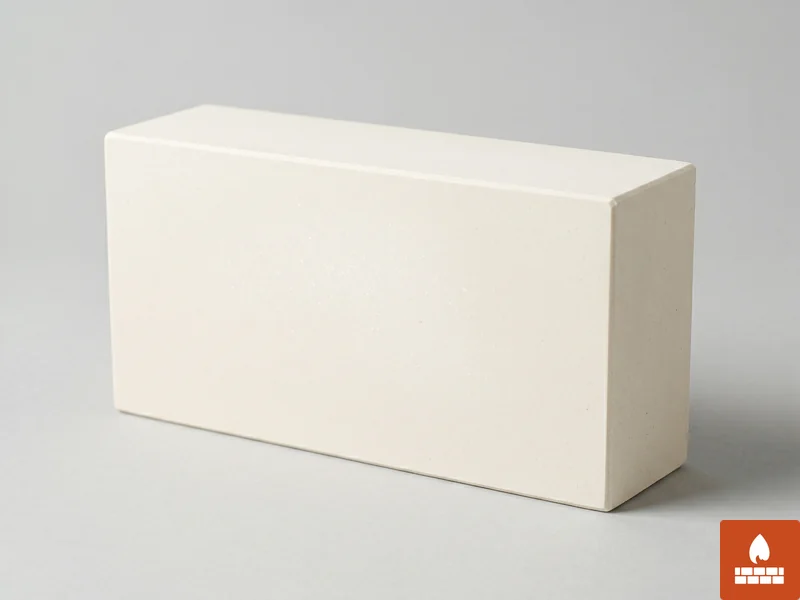
MUL · Al₂O₃ 60 – 77% · 1700 °C
Mullite Refractory Bricks
Supplier and exporter from Rajkot, India. Mullite-bonded alumino-silicate refractory — distinguished by superior thermal-shock resistance from the 3Al₂O₃·2SiO₂ crystalline phase.
- Mullite phase≥ 60%
- Al₂O₃60 – 77%
- Max temp1700 °C
- Bulk density≥ 2.50 g/cm³
- CCS≥ 60 MPa
- MOQ5 – 10 MT
About this product
What mullite bricks are — and where they fit
Mullite refractory bricks are fired alumino-silicate refractories in which the dominant crystalline phase is mullite (3Al₂O₃·2SiO₂), formed by reaction sintering of high-purity bauxite, kyanite or sillimanite raw materials. They sit at the high end of the fire-brick family — higher than dense fireclay, overlapping with high-alumina by chemistry but distinguished by phase composition and mechanical behaviour.
What is a mullite refractory brick? It is a fired ceramic body whose strength and thermal-shock tolerance come from a continuous mullite-phase skeleton — mullite content above 60%, with secondary corundum and minor glassy silica. The 3Al₂O₃·2SiO₂ phase has a low thermal expansion coefficient and retains strength at temperature, which is why mullite is the preferred grade where temperature cycling is the primary failure mode.
Compared to similarly-rated 70% alumina bricks, mullite gives equivalent peak temperature and RUL but materially better thermal-shock resistance and lower creep — useful in cycling kiln roofs and reheating furnaces. Compared to silica bricks, mullite trades a small amount of RUL for far better thermal cycling tolerance and no need for a special heat-up curve.
firebrickssource.com — Agochar Tech LLP — manufactures and exports mullite refractory bricks from Rajkot, Gujarat, India in the standard 230 × 114 × 65 mm size and in arch, wedge, kiln-roof specials and precast shapes to drawing. The grade is regularly specified by ceramics, glass and steel buyers across Southeast Asia, the Middle East and Africa for cycling-duty linings where dense-fireclay would spall under thermal stress.
Technical specifications
Full property data — mullite bricks
| Property | Value | Test method |
|---|---|---|
| Mullite phase content | ≥ 60 % | XRD / IS 1528-7 |
| Al₂O₃ content | 60 – 77 % | IS 1528-7 |
| SiO₂ content | 20 – 35 % | IS 1528-7 |
| Fe₂O₃ content | ≤ 1.0 % | IS 1528-7 |
| Apparent porosity | ≤ 19 % | IS 1528-8 / ASTM C20 |
| Bulk density | ≥ 2.50 g/cm³ | IS 1528-12 |
| Cold crushing strength (CCS) | ≥ 60 MPa | IS 1528-4 / ASTM C133 |
| Refractoriness under load (RUL T₀.₅) | ≥ 1650 °C | IS 1528-2 / EN 993-8 |
| Permanent linear change (PLC, 1500°C × 2h) | ± 0.3 % | IS 1528-6 |
| Thermal-shock resistance (1100°C / water) | > 20 cycles | EN 993-11 |
| Maximum service temperature | 1700 °C | — |
| Standard size | 230 × 114 × 65 mm | IS 1528 nomenclature |
| Typical certified values — actual batch values issued on the per-shipment test certificate. Values aligned with IS 1528 / ASTM C-series / EN 993 test methods. | ||
Applications
Where to use mullite refractory bricks
- Ceramic kiln roof and crown
- Glass tank superstructure
- Steel reheating furnace walls
- Sulphur recovery unit linings
- Blast-furnace stove checker chamber
- Petrochemical reformer interiors
- Walking-beam furnace skid rails
- Carbon-baking ring furnace partitions
- Cement clinker cooler nose ring
- Cycling-duty kiln furniture
Datasheet
Download technical datasheet
PDF with certified properties, mullite-phase XRD reference, dimensional tolerances and applicable IS / ASTM / EN test methods. Use this for tender attachments and procurement files.
Download MUL datasheet (PDF)Quote request
Get mullite quote in 24 hours
Send your target alumina, mullite phase, quantity and Incoterm — we'll come back with quote, datasheet and lead time the same business day or the next.
Frequently asked
Mullite bricks — questions buyers ask
What is a mullite refractory brick?
Mullite refractory bricks are fired alumino-silicate refractories whose dominant crystalline phase is mullite (3Al₂O₃·2SiO₂), with mullite content above 60% and Al₂O₃ in the 60 – 77% range. The mullite phase is responsible for the grade's distinctive combination of high thermal-shock resistance, high RUL and low creep at temperature.
Why does mullite resist thermal shock so well?
The mullite phase (3Al₂O₃·2SiO₂) has a low thermal expansion coefficient and high mechanical strength at temperature, so the brick absorbs cycling without micro-cracking. This is why mullite is the preferred grade for cycling kiln roofs and reheating furnaces.
What is the maximum temperature for mullite bricks?
Mullite refractory bricks have a refractoriness under load (RUL T₀.₅) of approximately 1650 °C and a maximum service temperature of around 1700 °C, depending on the specific application, load and thermal cycling.
Where are mullite refractory bricks used?
Typical applications include ceramic kiln roofs, glass tank superstructure, steel reheating furnaces, sulphur recovery units, blast-furnace stoves and other cycling high-temperature linings where thermal shock is a primary failure mode.
What is the difference between mullite and high-alumina bricks?
High-alumina bricks are graded by Al₂O₃ content (45 – 90%); mullite bricks are graded by mullite phase content. Mullite-bonded grades have lower thermal expansion and far better thermal-shock resistance than equivalent-alumina bricks made with fireclay binders.
What is the standard size of mullite bricks?
The standard rectangular size is 230 × 114 × 65 mm. Custom sizes, arch and wedge shapes, kiln-roof specials and precast components are available to drawing.
What Incoterms are offered for export shipments?
We typically quote FOB Mundra or FOB Kandla. CIF, CFR and EXW are available on request. Sea-freight rates are confirmed at the time of booking.
Related products
Buyers of mullite also viewed
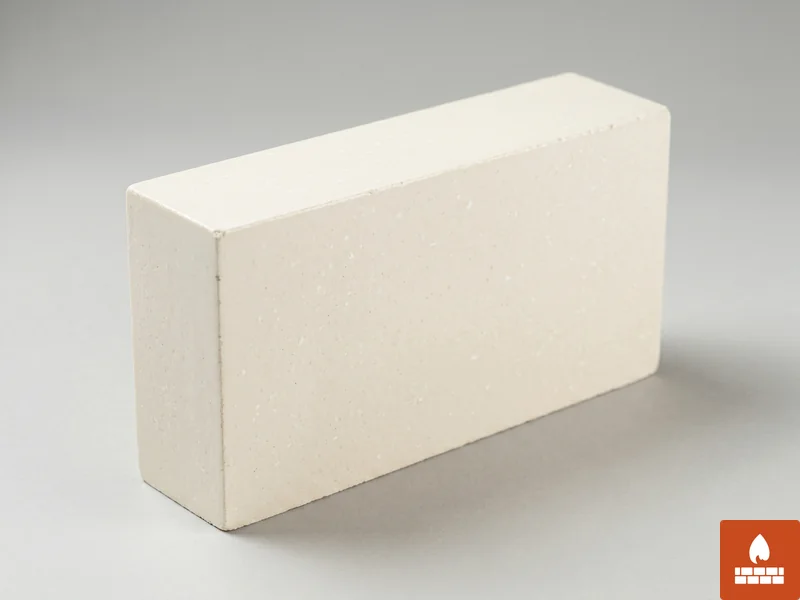
70% Alumina Bricks
Same alumina range, different bond phase — for slag-resistant zones.
Al₂O₃ ≥ 70% · 1600 °C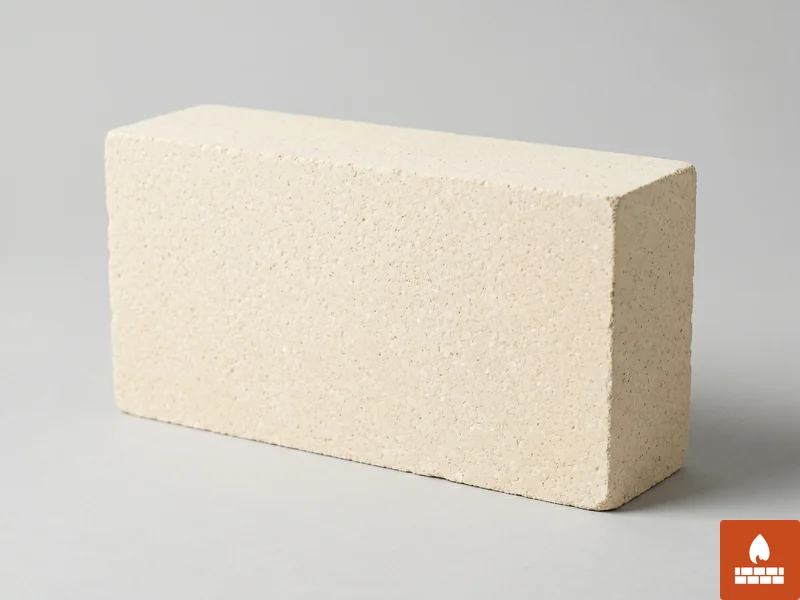
Silica Refractory Bricks
Acidic alternative for static crown construction with higher RUL.
SiO₂ ≥ 94% · 1700 °C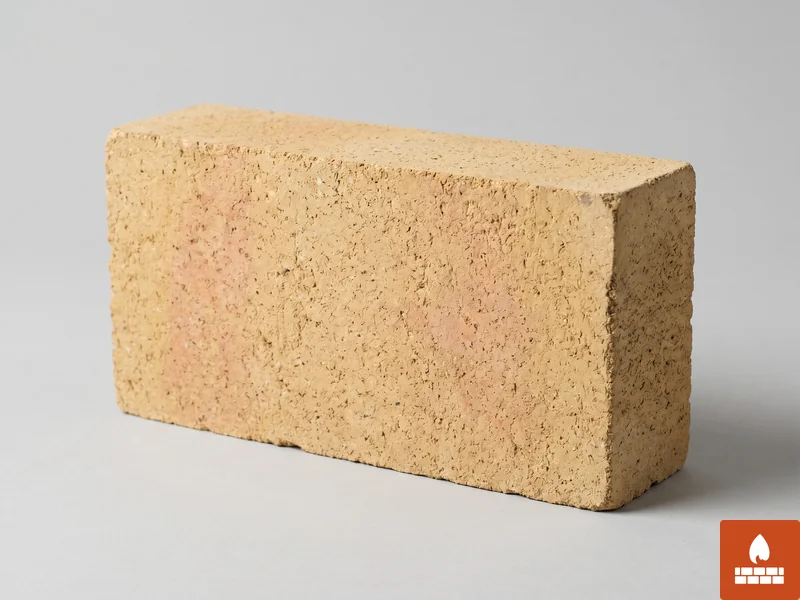
Dense Fireclay Bricks
Economical back-up for mullite hot-face installations.
Al₂O₃ 30 – 46% · 1500 °C