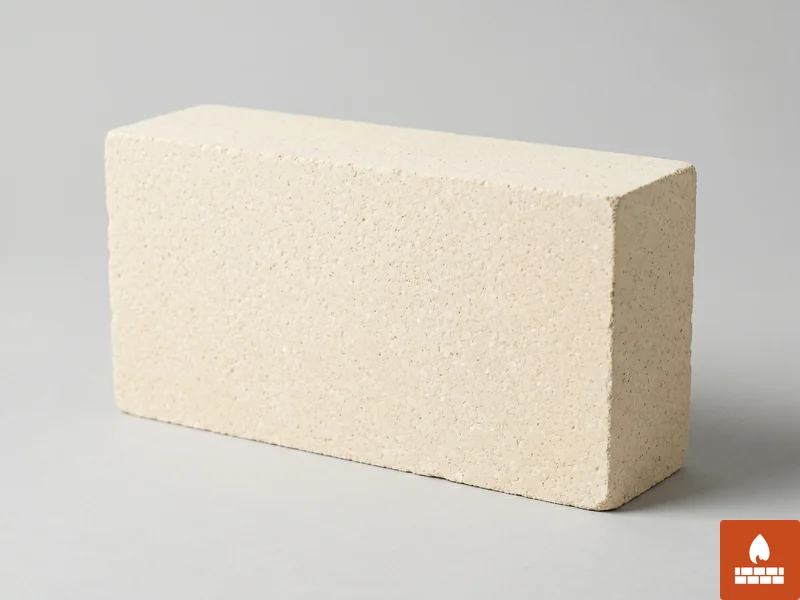
SIL · SiO₂ ≥ 94% · 1700 °C
Silica Refractory Bricks
Supplier and exporter from Rajkot, India. Acidic refractory of choice for crown construction — coke ovens, glass furnace regenerator crowns, hot-blast stove domes. Highest RUL of any common refractory class.
- SiO₂≥ 94%
- Max temp1700 °C
- Bulk density≥ 1.85 g/cm³
- CCS≥ 25 MPa
- RUL T₀.₅≥ 1650 °C
- MOQ10 – 20 MT
About this product
What silica bricks are — and where they fit
Silica refractory bricks are acidic refractories with at least 94% SiO₂ (silicon dioxide) and less than 1% Al₂O₃, manufactured from selected quartzite, milk-of-lime bonded, and fired to develop tridymite and cristobalite phases. They sit at the high-RUL, low-creep end of the refractory family — different in role and behaviour from the rest of the fireclay group, despite often being grouped under "fire bricks".
What is a silica refractory brick? It is a fired quartzite-based refractory whose distinguishing feature is exceptional load-bearing capacity at temperatures very close to its melting point — the RUL T₀.₅ of around 1650 °C is the highest in routine refractory production. The grade trades off thermal-shock tolerance and low-temperature dimensional stability for that high-load high-temperature performance.
Compared to dense fireclay bricks, silica gives roughly 200 °C of additional service temperature, far higher RUL and much lower hot-load deformation — but is far more sensitive to low-temperature thermal cycling and requires a published controlled heat-up curve. Compared to mullite bricks, silica is the acidic counterpart with higher RUL but lower bulk density and lower thermal-shock resistance — chosen for static crown structures rather than cycling roofs.
firebrickssource.com — Agochar Tech LLP — manufactures and exports silica refractory bricks from Rajkot, Gujarat, India in the standard 230 × 114 × 65 mm size and in crown-specific arch, wedge and key shapes to drawing. Note: silica bricks require a slow, controlled first heat-up; a heating-up procedure document is supplied with every shipment. The grade is regularly supplied to coke-oven, glass and steel customers across South Asia, the Middle East and Africa.
Technical specifications
Full property data — silica refractory bricks
| Property | Value | Test method |
|---|---|---|
| SiO₂ content | ≥ 94 % | IS 1528-7 |
| Al₂O₃ content | ≤ 1 % | IS 1528-7 |
| Fe₂O₃ content | ≤ 1.5 % | IS 1528-7 |
| Apparent porosity | ≤ 22 % | IS 1528-8 / ASTM C20 |
| Bulk density | ≥ 1.85 g/cm³ | IS 1528-12 |
| Cold crushing strength (CCS) | ≥ 25 MPa | IS 1528-4 / ASTM C133 |
| Refractoriness under load (RUL T₀.₅) | ≥ 1650 °C | IS 1528-2 / EN 993-8 |
| Permanent linear change (PLC, 1450°C × 2h) | ≤ 0.5 % | IS 1528-6 |
| True specific gravity | ≤ 2.38 g/cm³ | IS 1528-15 |
| Maximum service temperature | 1700 °C | — |
| Standard size | 230 × 114 × 65 mm | IS 1528 nomenclature |
| Heating-up requirement | Controlled slow heat-up mandatory — schedule supplied | — |
| Typical certified values — actual batch values issued on the per-shipment test certificate. Values aligned with IS 1528 / ASTM C-series / EN 993 test methods. | ||
Applications
Where to use silica refractory bricks
- Coke oven battery walls and roofs
- Glass furnace regenerator crowns
- Glass tank superstructure (acidic side)
- Hot-blast stove crown / dome
- Hot-blast stove combustion chamber
- Ceramic kiln domes and crowns
- Open-hearth furnace roof (legacy)
- Acid-side glass forehearth
- Static high-temperature crown structures
- Carbon-baking furnace flues
Datasheet
Download technical datasheet
PDF with certified properties, dimensional tolerances, applicable IS / ASTM / EN test methods and the recommended heat-up curve. Use for tender attachments and procurement files.
Download SIL datasheet (PDF)Quote request
Get silica quote in 24 hours
Send your crown drawing, quantity, target SiO₂ purity and Incoterm — we'll come back with itemised quote, shape list and packaging plan.
Frequently asked
Silica bricks — questions buyers ask
What is a silica refractory brick?
Silica refractory bricks are acidic refractories with ≥ 94% silicon dioxide (SiO₂) and ≤ 1% Al₂O₃. They are made from selected quartzite, fired to develop tridymite and cristobalite phases — giving exceptional load-bearing capacity at temperatures very close to their melting point.
What is the maximum service temperature for silica bricks?
Silica refractory bricks have a refractoriness under load (RUL T₀.₅) of approximately 1650 °C — the highest RUL of any common refractory class — and a maximum service temperature of around 1700 °C.
Why does silica brick need a controlled heat-up schedule?
Silica bricks undergo polymorphic phase changes (quartz → tridymite → cristobalite) with associated volume changes below about 600 °C. A slow, controlled first heat-up — typically over several days following a published heating-up curve — is mandatory to prevent cracking and spalling.
Where are silica refractory bricks used?
Primary applications are coke oven battery walls, glass furnace regenerator crowns, hot-blast stove crowns, ceramic kiln domes and other roof / crown structures where high RUL under low load is critical.
What is the standard size of silica bricks?
The standard rectangular size is 230 × 114 × 65 mm. Silica is most commonly supplied in arch, wedge, key and custom drawing-specific shapes for crown construction.
What Incoterms are offered for export shipments?
We typically quote FOB Mundra or FOB Kandla. CIF, CFR and EXW are available on request. Sea-freight rates are confirmed at the time of booking.
Do you provide samples and test certificates?
Yes. Samples can be dispatched on request, normally chargeable. Every batch is tested for SiO₂ purity, apparent porosity, bulk density, CCS and RUL; a test certificate ships with each consignment.
Related products
Buyers of silica also viewed
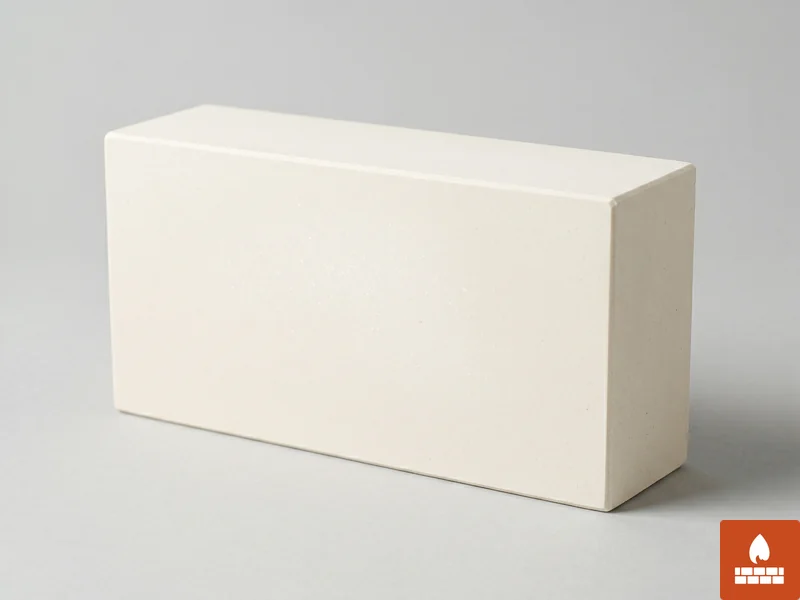
Mullite Bricks
Alumino-silicate alternative with superior thermal-shock resistance.
Al₂O₃ 60 – 77% · 1700 °C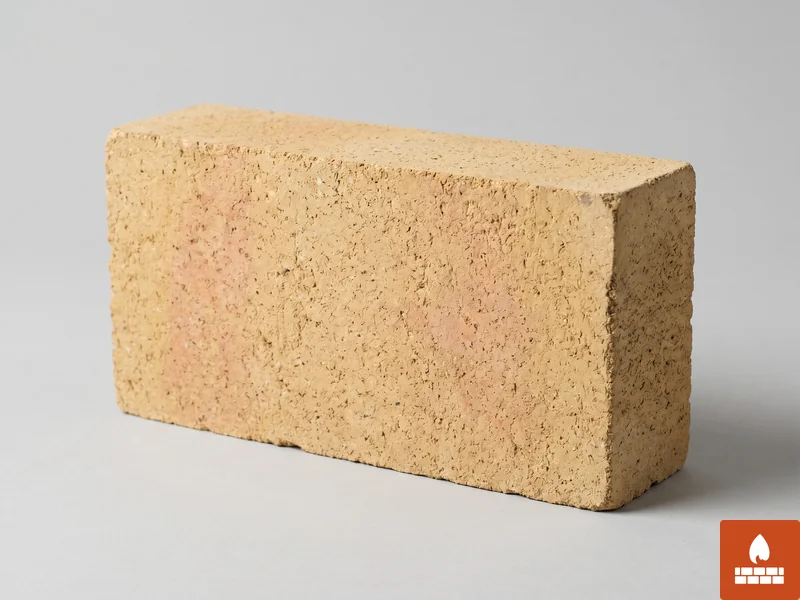
Dense Fireclay Bricks
General-purpose back-up for silica hot-face applications.
Al₂O₃ 30 – 46% · 1500 °C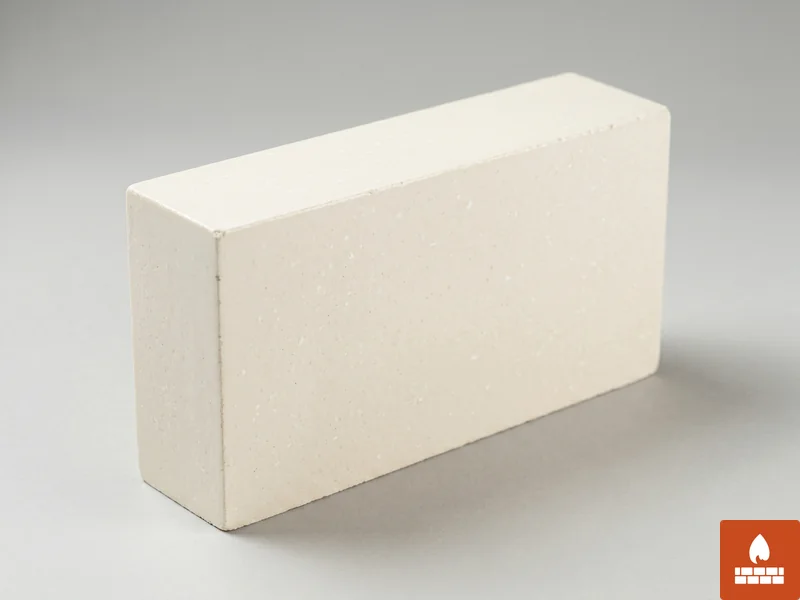
70% Alumina Bricks
Glass-tank regenerator hot end and port-neck applications.
Al₂O₃ ≥ 70% · 1600 °C