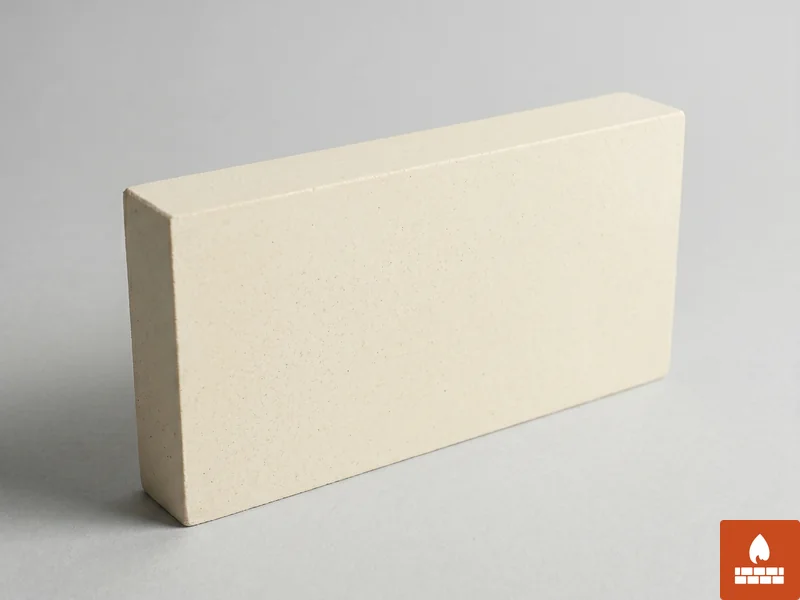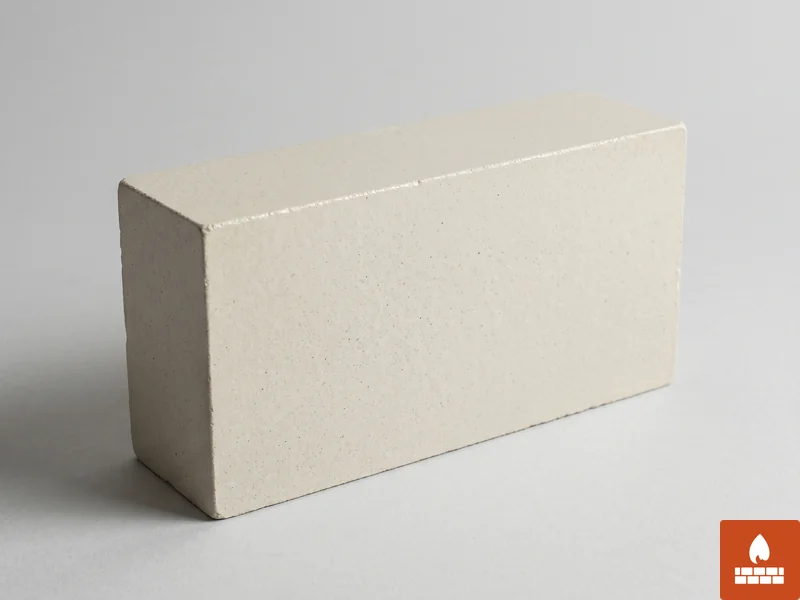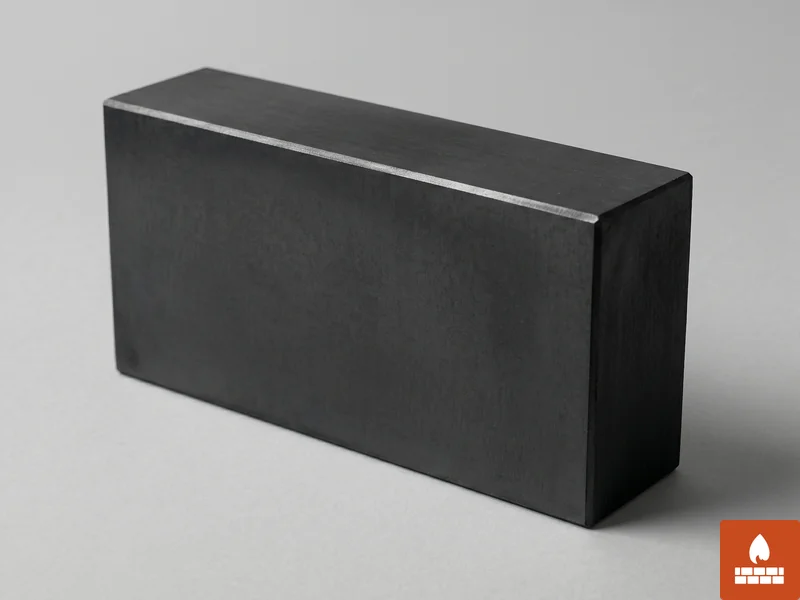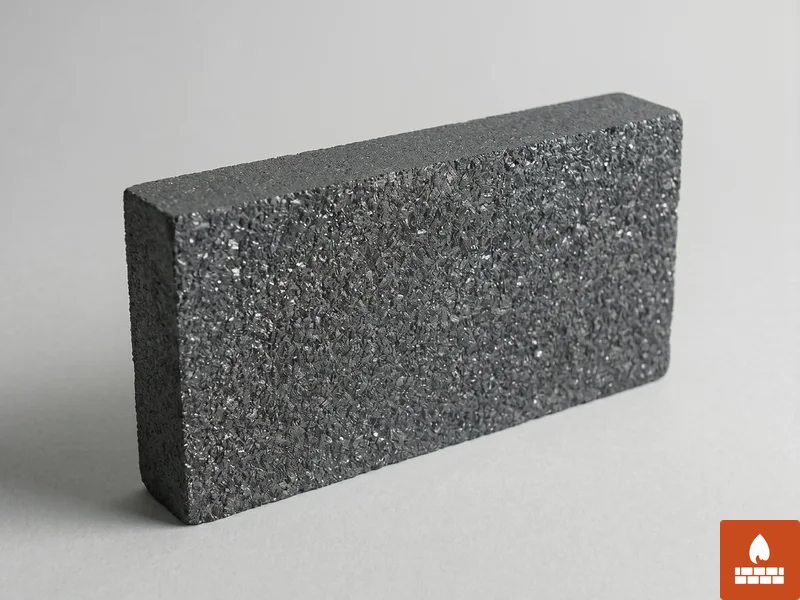
SiC-85 · SiC-95 · 1650 °C
Silicon Carbide (SiC) Refractory Bricks
Supplier and exporter from Rajkot, India. High-conductivity refractory bricks for aluminium and copper furnaces, blast-furnace bosh, biomass boilers, incinerators and kiln furniture — abrasion + thermal-shock + acid resistance in one body.
- SiC85 – 95%
- App. porosity≤ 16%
- Bulk density≥ 2.55 g/cm³
- CCS≥ 80 MPa
- MOR @ 1400 °C≥ 18 MPa
- Max temp1650 °C
About this product
What silicon carbide refractory bricks are — and where they fit
Silicon carbide (SiC) refractory bricks are dense pressed refractory products made from synthetic silicon-carbide grain, bonded with clay, silicate or silicon nitride. firebrickssource.com — Rajkot, Gujarat, India — supplies SiC refractory bricks within the broader refractory range, exported to aluminium, copper, steel and waste-power buyers worldwide as a high-conductivity, high-abrasion refractory.
Silicon carbide refractory bricks combine three properties no other single refractory delivers together: high abrasion resistance (from the hardness of SiC, just below diamond), high thermal conductivity (~25 W/m·K — fine for heat-recovery, useful in boiler tube shields), and excellent thermal-shock resistance (from the low thermal expansion of SiC). In acidic chemistry SiC is broadly inert, and in molten aluminium it is non-wetted — the metal does not stick to the brick face, so corundum build-up is minimal. The grade is available in SiC-85 (clay or silicate bonded) and SiC-95 (nitride bonded) variants; SiC-95 carries higher hot strength and better corrosion resistance.
The grade is specified wherever the combination of mechanical abrasion, thermal cycling and chemical attack would destroy a conventional alumina-silicate refractory. Typical positions include aluminium-furnace side walls, copper-anode furnace hearths, blast-furnace bosh and lower stack, biomass-boiler superheater tube shields, hazardous-waste incinerator linings and kiln-furniture batt supports. The trade-off is cost (SiC is several times the price of fireclay) and oxidation sensitivity above 1400 °C in strongly oxidising atmospheres.
firebrickssource.com supplies SiC bricks in standard 230 × 114 × 65 mm sizes plus custom-pressed tube shields, burner blocks and kiln-furniture batts. Pair SiC with high-silica acid-resistant bricks in lower-temperature acid duty or with zircon bricks where alkali resistance is needed. For the full picture see acid-resistant bricks; carbon-bonded variants sit in carbon & graphite blocks.
Technical specifications
Full property data — silicon carbide refractory bricks
| Property | SiC-85 | SiC-95 | Test method |
|---|---|---|---|
| SiC content | ≥ 85 % | ≥ 95 % | XRF / chemical |
| Apparent porosity | ≤ 16 % | ≤ 14 % | IS 1528-8 / ASTM C20 |
| Bulk density | ≥ 2.55 g/cm³ | ≥ 2.65 g/cm³ | IS 1528-12 |
| Cold crushing strength (CCS) | ≥ 80 MPa | ≥ 100 MPa | IS 1528-4 / ASTM C133 |
| MOR at 1400 °C | ≥ 18 MPa | ≥ 25 MPa | IS 1528-5 / ASTM C583 |
| Thermal conductivity at 1000 °C | ≈ 25 W/m·K | ≈ 25 W/m·K | ASTM C202 |
| Maximum service temperature | 1600 °C | 1650 °C | — |
| Standard size | 230 × 114 × 65 mm | — | |
| Custom shapes | Tube shields, burner blocks, kiln-furniture batts | — | |
*Typical certified values — actual batch values issued on the per-shipment test certificate. Values aligned with IS 1528 / ASTM C-series / EN 993 test methods.*
Applications
Where to use silicon carbide refractory bricks
- Aluminium melting & holding furnaces (side walls)
- Copper anode & converter furnaces
- Blast-furnace bosh, belly & lower stack
- Biomass boiler superheater tube shields
- Hazardous-waste incinerator linings
- Cyclone & combustion chamber linings
- Ceramic kiln furniture (batts, posts, plates)
- Burner blocks & flame tubes
- Slide rails & skid pipe covers
- Acidic abrasive process linings
Datasheet
Download technical datasheet
PDF with full SiC-85 and SiC-95 property tables, dimensional tolerances and applicable IS / ASTM test methods. Includes oxidation-atmosphere guide.
Download SiC datasheet (PDF)Quote request
Get SiC quote in 24 hours
Send the application zone, target SiC content, atmosphere (oxidising / reducing), quantity and Incoterm. Quote, datasheet and lead time come back the same business day or the next.
Frequently asked
SiC — questions buyers ask
What are the available SiC grades?
Standard grades are SiC-85 (85% SiC, clay or silicate bonded) and SiC-95 (95% SiC, nitride- or silicon-nitride bonded). Higher SiC content gives higher thermal conductivity, better corrosion resistance and better high-temperature MOR. The choice depends on duty: aluminium-furnace side walls typically use SiC-85, while biomass-boiler tube shields and burner blocks use SiC-95.
Why is SiC used in aluminium-melting furnaces?
Silicon carbide is non-wetted by molten aluminium, has very high thermal conductivity (~25 W/m·K) and resists thermal shock from charge cycling. The non-wetting behaviour means molten aluminium does not penetrate the brick face, so corundum build-up and metal loss are minimised — directly extending lining campaign life.
What is the maximum service temperature for SiC bricks?
1650 °C in neutral or reducing atmospheres. SiC oxidises slowly above 1000 °C in oxidising service, so for oxidising duty above 1400 °C a passive SiO₂ glaze typically forms on the surface — but exposure to fluorides or alkalis will compromise the protective layer.
What thermal conductivity does SiC offer?
Thermal conductivity is approximately 25 W/m·K at 1000 °C — five to ten times higher than fireclay or high-alumina refractories. This is ideal for heat-recovery applications (boiler tube shields, recuperators) but undesirable where insulation is required.
Where are SiC refractory bricks used?
Typical applications include aluminium melting and holding furnaces, copper anode furnaces, blast-furnace bosh and lower stack, biomass boiler tube shields, waste incinerator linings and kiln-furniture supports for ceramics firing.
What is the typical MOQ for SiC bricks?
SiC is a specialty grade with a typical MOQ of 2 – 5 MT for stocked sizes; custom shapes (tube shields, burner blocks) are quoted per-project. Lead times are longer than for fireclay or high-alumina due to the specialty raw material.
Do you provide samples and test certificates?
Yes. Samples can be dispatched on request — normally chargeable plus courier. Every production batch is tested for SiC content, apparent porosity, bulk density and hot MOR; a test certificate ships with each consignment.