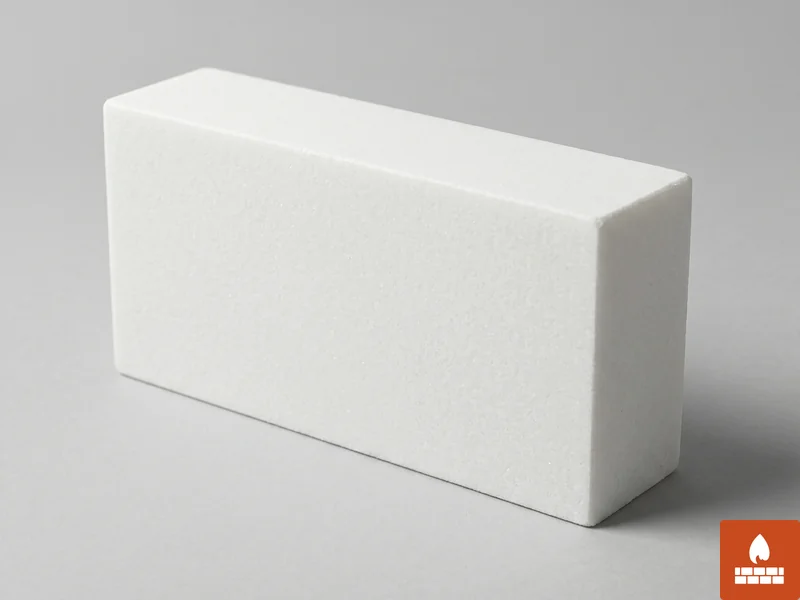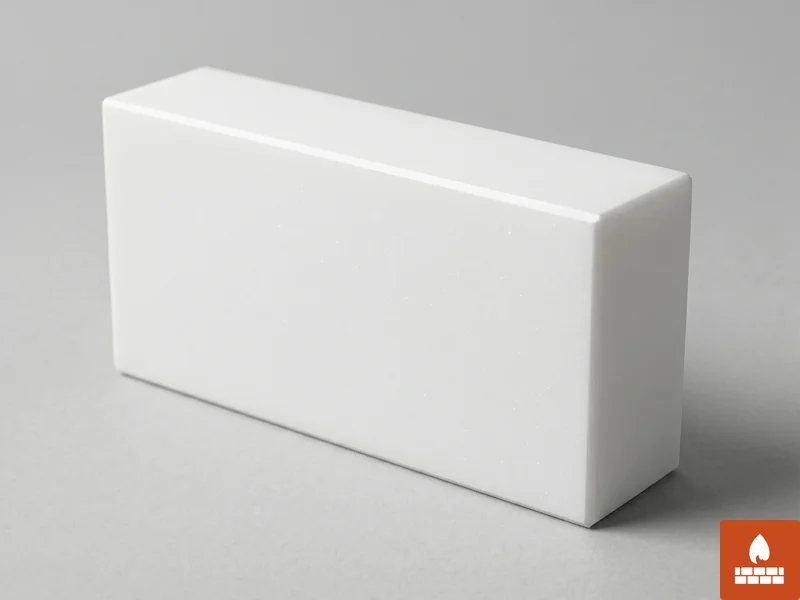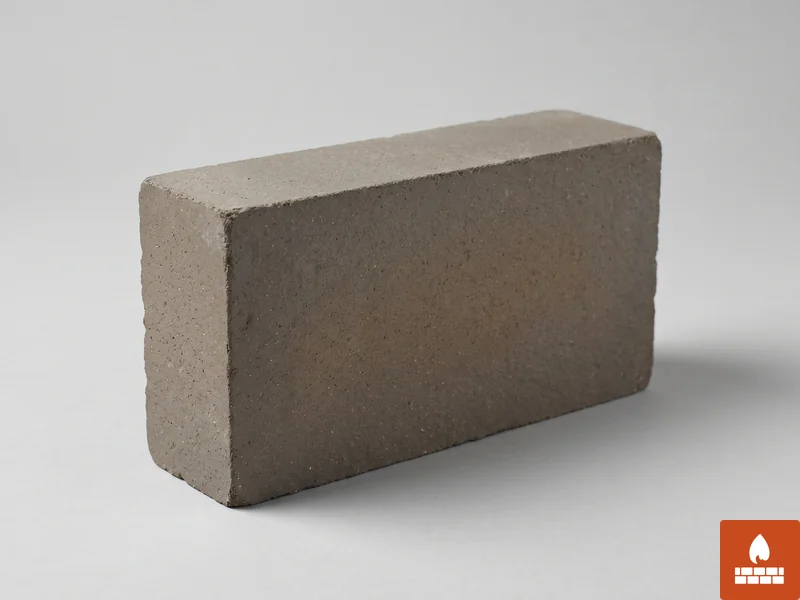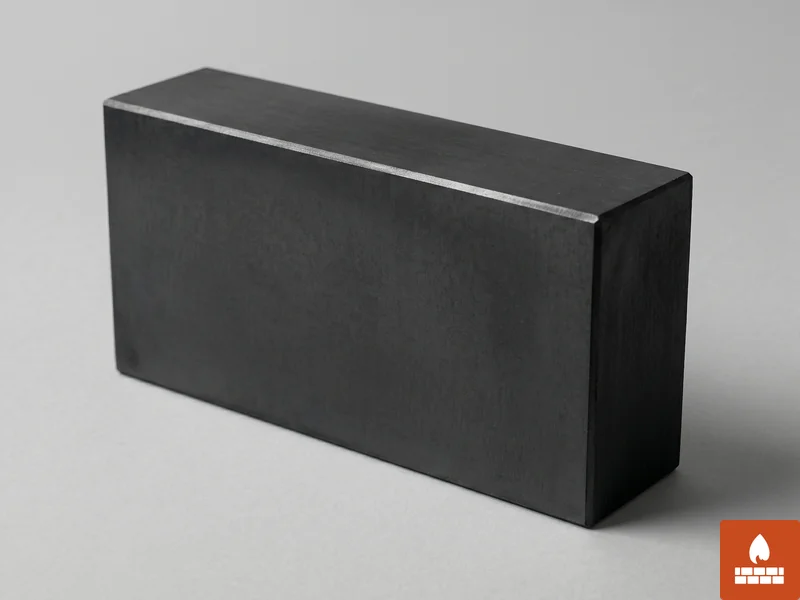
Carbon / Graphite · 1800 °C (reducing)
Carbon & Graphite Refractory Blocks
Specialty refractory blocks for reducing-atmosphere service — blast-furnace hearth and bottom, aluminium electrolysis cell cathodes, ferro-alloy submerged-arc furnaces, anti-acid corrosion linings.
- Carbon C≥ 95%
- Graphite C≥ 99%
- Carbon density1.60 – 1.75 g/cm³
- Graphite density1.65 – 1.78 g/cm³
- Conductivity25 – 120 W/m·K
- Max temp1800 °C
About this product
What carbon & graphite refractory blocks are — and where they fit
Carbon and graphite refractory blocks are large, machined specialty refractories produced from amorphous carbon (carbon blocks) or graphitised carbon (graphite blocks). firebrickssource.com — Rajkot, Gujarat, India — supplies the full range within the specialty refractories category, exported to blast-furnace constructors, aluminium smelters and ferro-alloy producers worldwide.
Carbon and graphite refractory blocks are the standard hearth and cathode lining materials wherever the process environment is reducing or oxygen-free and a conventional oxide refractory would be attacked by molten metal, carbide-forming species or acidic chemistry. Carbon blocks (C ≥ 95%, bulk density 1.60 – 1.75 g/cm³, thermal conductivity ~25 W/m·K) are produced from petroleum coke and pitch, baked at high temperature. Graphite blocks (C ≥ 99%, bulk density 1.65 – 1.78 g/cm³, thermal conductivity ~120 W/m·K) are produced by further graphitisation — extended heat treatment at 2500 – 3000 °C that crystallises the carbon to graphite form, giving very high thermal and electrical conductivity. Compressive strength is ≥ 25 MPa for both products.
Note the critical service constraint: both carbon and graphite are oxidation-sensitive. They oxidise to CO/CO₂ in the presence of oxygen above 500 – 800 °C, so the service environment must be reducing (rich in CO/H₂) or essentially oxygen-free. This is naturally the case in blast-furnace hearths, aluminium electrolysis cells and ferro-alloy submerged arc furnaces — the three primary applications.
firebrickssource.com supplies carbon and graphite blocks made-to-drawing for blast-furnace hearth and bottom, aluminium-cell cathode blocks, SAF hearth blocks, and anti-acid corrosion linings (graphite is inert to non-oxidising acids including HCl and HF). Engineering is supported with drawing review. For broader specialty options see specialty refractories; for oxidising-atmosphere alternatives consider premium corundum bricks or silicon-carbide bricks. Carbon-containing refractory bricks for basic-slag service sit in the basic refractories category.
Technical specifications
Full property data — carbon & graphite refractory blocks
| Property | Carbon block | Graphite block | Test method |
|---|---|---|---|
| Carbon content | ≥ 95 % | ≥ 99 % | Loss on ignition / ash |
| Ash content | ≤ 5 % | ≤ 1 % | ISO 1171 |
| Bulk density | 1.60 – 1.75 g/cm³ | 1.65 – 1.78 g/cm³ | IS 1528-12 |
| Apparent porosity | ≤ 18 % | ≤ 22 % | EN 993-1 |
| Compressive strength | ≥ 30 MPa | ≥ 25 MPa | ASTM C695 |
| Thermal conductivity | ~25 W/m·K | ~120 W/m·K | ASTM C714 |
| Max service (reducing) | 1800 °C | 1800 °C | — |
| Atmosphere | Reducing or oxygen-free only — oxidising service not recommended | — | |
| Sizing | Machined to drawing — typical 400 × 400 × 200 mm to 1200 × 600 × 500 mm | — | |
*Typical certified values — actual batch values issued on the per-shipment test certificate. Values aligned with IS 1528 / ASTM C-series / EN 993 test methods.*
Applications
Where to use carbon & graphite refractory blocks
- Blast-furnace hearth & bottom
- Blast-furnace tap-hole & tuyère zone
- Aluminium electrolysis cell cathodes
- Aluminium cell side-wall blocks
- Ferro-alloy submerged-arc-furnace hearth
- Ferro-silicon / ferro-manganese SAF
- Anti-acid corrosion linings (HCl, HF)
- Vacuum / inert-atmosphere reactor linings
- Carbon-based heat exchanger blocks
- Pyrolysis & reducing-atmosphere kilns
Datasheet
Download technical datasheet
PDF with full carbon and graphite property tables, atmosphere guidance and dimensional tolerances. Use for tender attachments and procurement files.
Download C / GR datasheet (PDF)Quote request
Engineered quote on C / GR blocks
Send the drawing, atmosphere, target conductivity and Incoterm. Carbon and graphite blocks are project-priced with engineering support.
Frequently asked
C / GR — questions buyers ask
What is the difference between carbon blocks and graphite blocks?
Carbon blocks (C ≥ 95%) are produced from amorphous carbon raw materials such as petroleum coke and pitch, with bulk density 1.60 – 1.75 g/cm³ and thermal conductivity ~25 W/m·K. Graphite blocks (C ≥ 99%) are produced from graphitised carbon — heat-treated to crystallise the carbon to graphite form — with higher density 1.65 – 1.78 g/cm³ and much higher thermal conductivity ~120 W/m·K. Graphite gives better thermal management and corrosion resistance; carbon is the lower-cost choice for back-up positions.
Why are carbon and graphite blocks limited to reducing atmospheres?
Carbon and graphite both oxidise to CO/CO₂ in the presence of oxygen above 500 – 800 °C. Service environments must be reducing (rich in CO/H₂) or oxygen-free to prevent burn-off. This is naturally the case in blast-furnace hearths, aluminium electrolysis cells and submerged-arc furnaces, which is why these are the typical applications.
Where are carbon and graphite blocks used?
Typical applications: blast-furnace hearth and bottom, aluminium electrolysis cell cathodes, ferro-alloy submerged-arc-furnace (SAF) hearths, anti-corrosion linings in HCl and HF service, and high-conductivity cooling positions where heat must be conducted to the steel shell.
What is the maximum service temperature?
1800 °C in reducing or oxygen-free atmospheres. In strongly oxidising service the practical limit drops to around 500 °C above which surface burn-off accelerates.
What size of blocks do you supply?
Carbon and graphite blocks are typically supplied as large machined blocks — common dimensions are 400 × 400 × 200 mm to 1200 × 600 × 500 mm depending on application. Aluminium-cell cathode blocks and blast-furnace hearth blocks are produced to drawing.
What about thermal conductivity?
Carbon blocks have thermal conductivity around 25 W/m·K (similar to SiC). Graphite blocks deliver ~120 W/m·K, which is the highest of any common refractory material. This high conductivity is essential for blast-furnace hearth cooling and aluminium-cell cathode operation, where heat must be removed from the lining to maintain the freeze line.
Do you provide samples and test certificates?
Yes. Samples can be dispatched on request — normally chargeable plus courier. Every production batch is tested for carbon content, ash content, bulk density, apparent porosity and compressive strength; a test certificate ships with each consignment.
Related products